Short answer: Start with 1 medina walk, choose 1 museum or cultural house, and leave time for the streets outside the walls. With 2 full days, add Tamuda or a separate coast outing. Those are our suggested allocations, not attraction opening schedules. A local guide is optional; the useful paid choice is interpretation of the medina, rather than paying to repeat an ordinary street walk.
The best first day in Tétouan does not need every museum and every gate. Choose a few experiences that reveal different sides of the city: its historic lanes, a collection that interests you and the urban setting beyond the medina. This list helps you make that selection. For transport and the wider route, use the Tétouan travel guide; for your base, see where to stay in Tétouan.
Last reviewed: 15 November 2026. Suggested visit blocks are planning recommendations. Confirm current access and fees with the venue; no unverified timetable or ticket price is presented here.
At a glance: choose by interest
Scroll sideways to see all columns.
| Your priority | Start with | Useful pairing |
|---|---|---|
| A first introduction | Medina walk | Central streets and the Ensanche |
| City history and crafts | Bab El Oqla Museum | A shorter medina walk |
| Archaeology | Archaeological Museum | Tamuda if access is confirmed |
| Historic images and a house interior | Dar El Oddi | Independent medina exploration |
| Sea air and a change of setting | Martil or a coastal outing | A separate city day |
City walks: the strongest starting point
1. Explore the medina with a purpose
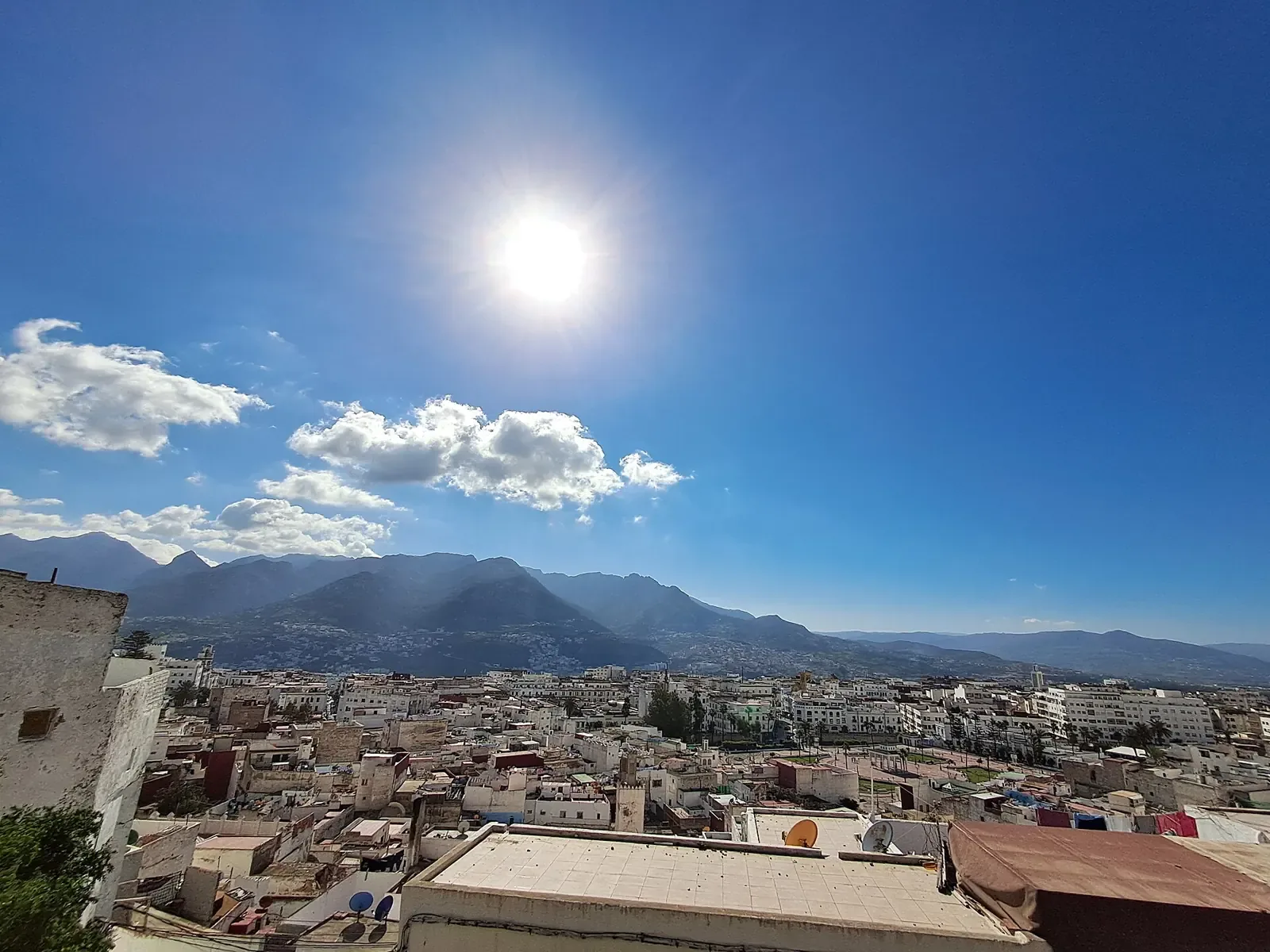
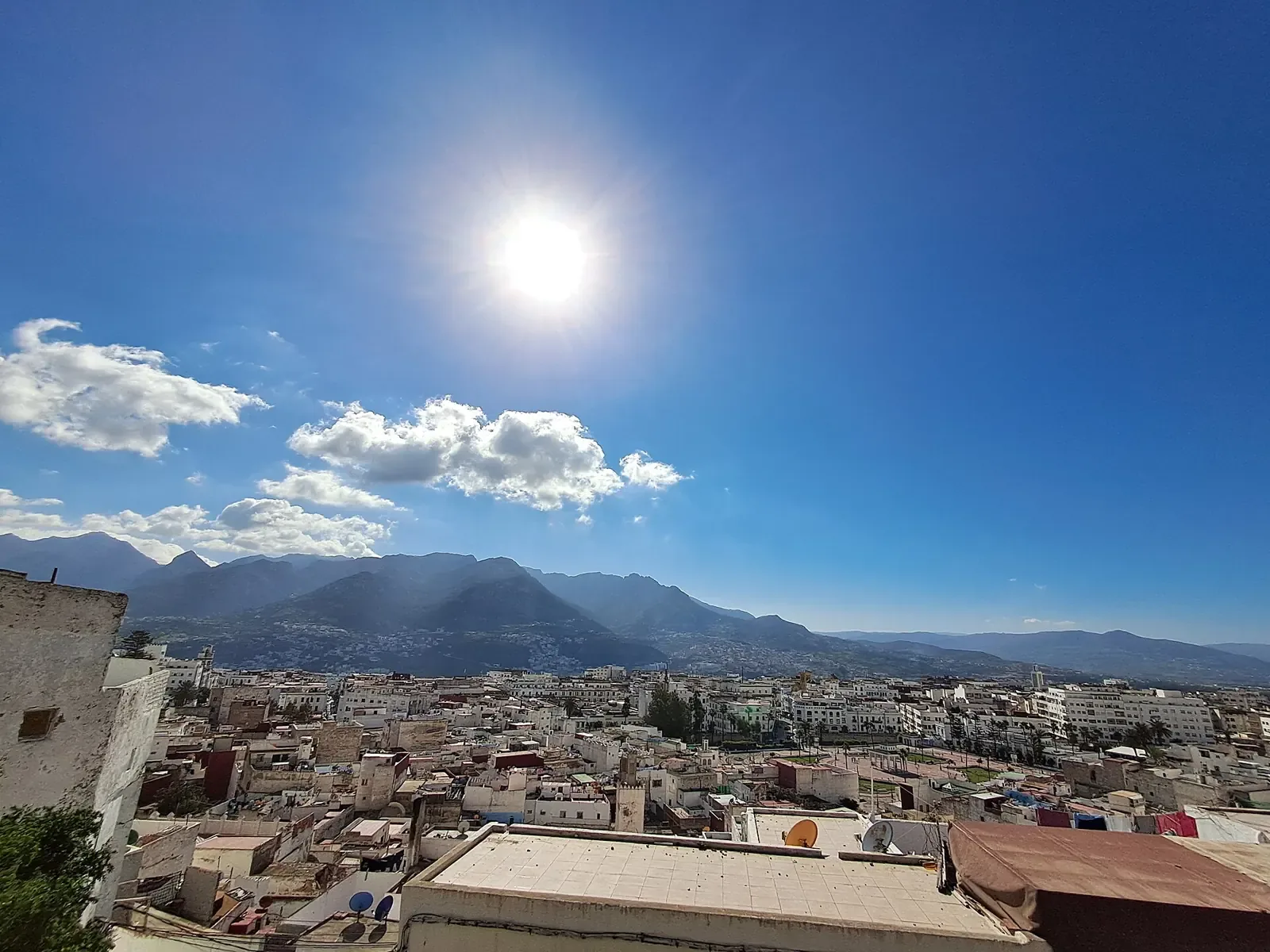
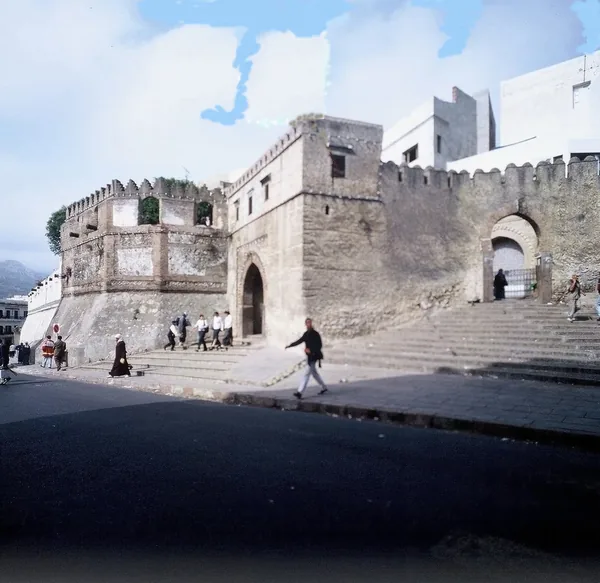
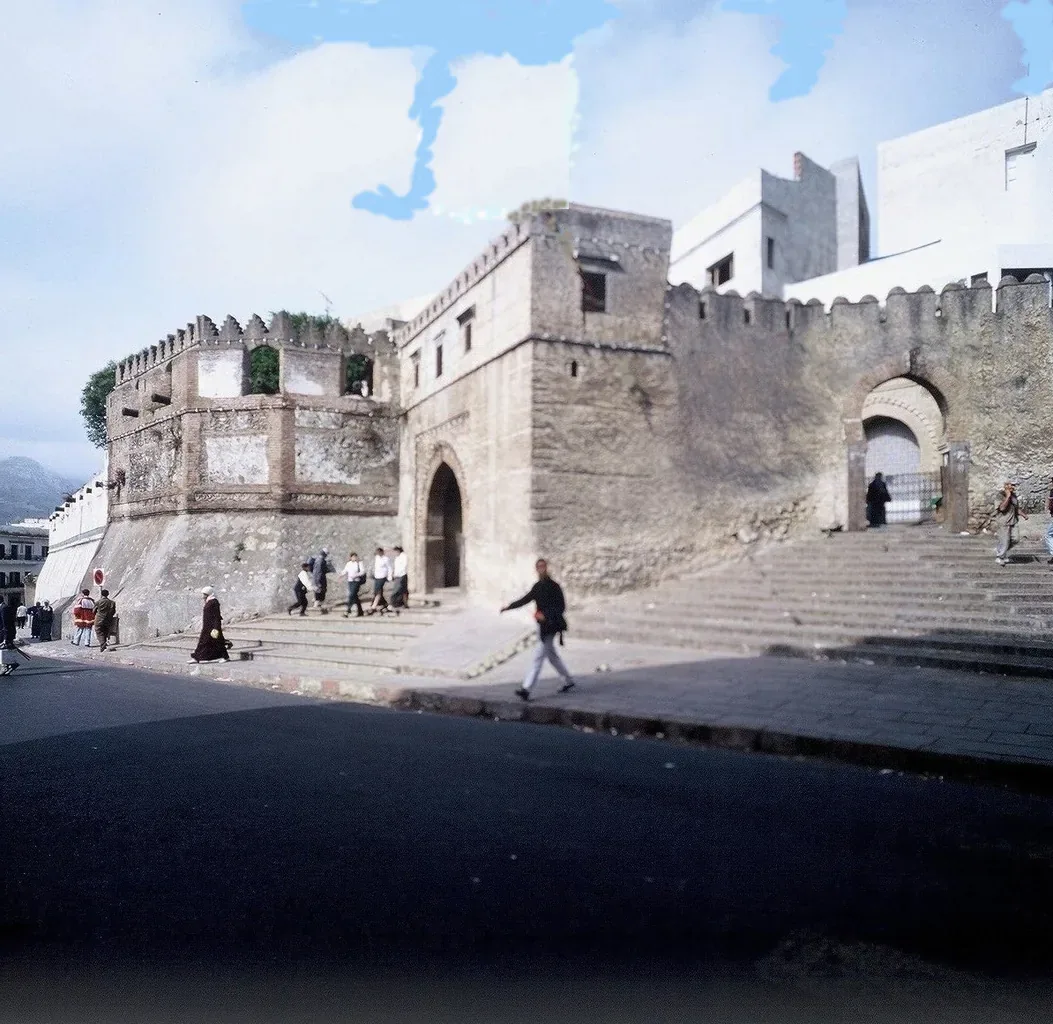
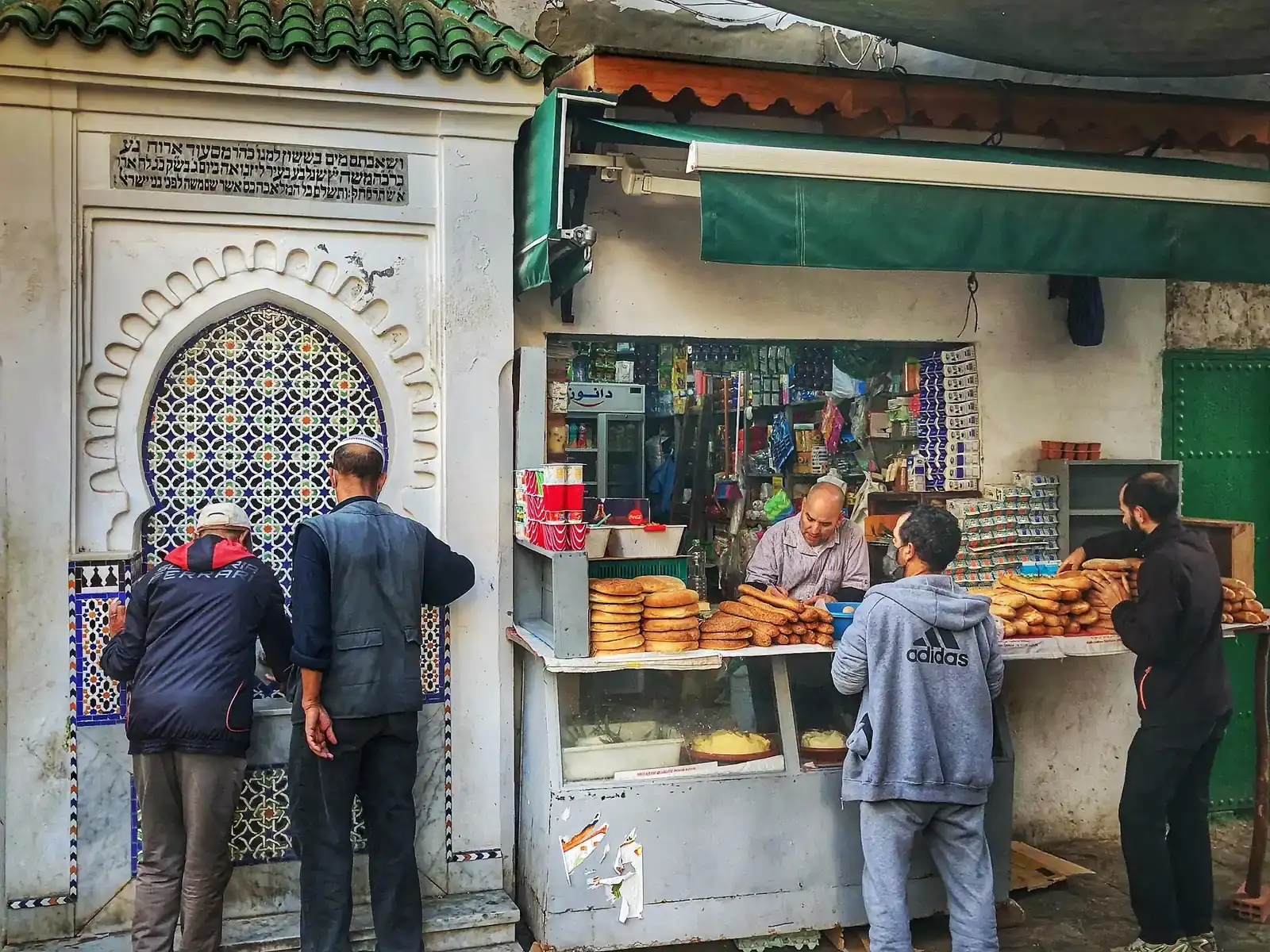
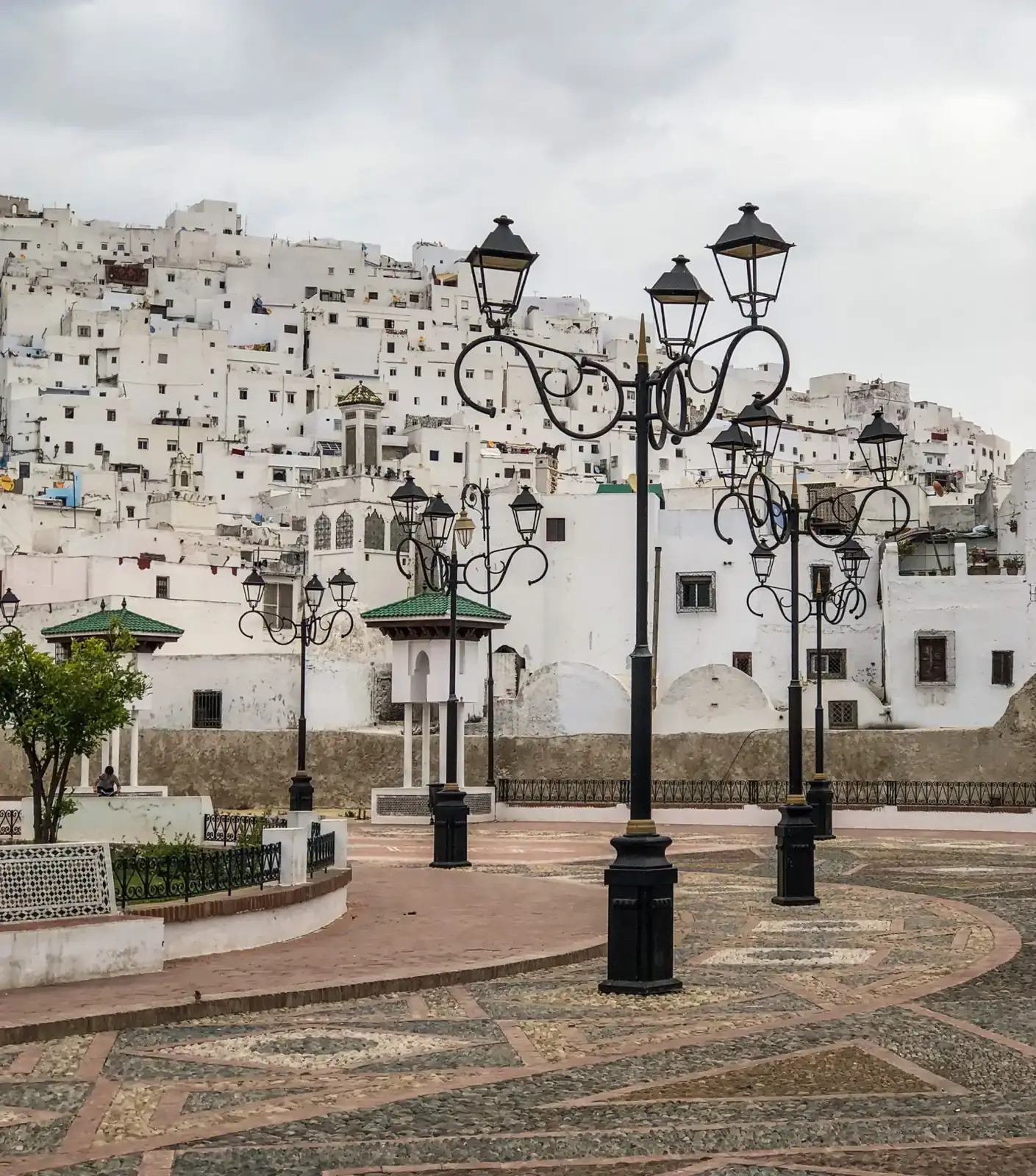
The medina is the core of a first visit. Its UNESCO inscription highlights the city's relationship with Andalusia and the influence of refugees who helped rebuild it. Use that history to look at the streets as a connected urban place, rather than a backdrop for a collection of doorway photographs. Choose an entry point, save your return location and give the walk an unhurried part of the day.
Best for: first-time visitors and architecture interests. Location: Tétouan medina. Plan: one morning or another generous walk block. Access: follow local restrictions at individual buildings. Paid option: a local guide for interpretation.
If you would value explanation of the city's history, compare guided walks. Check the starting city, meeting point, guide language and which visits are actually included. Some products that mention Tétouan are excursions from another city. The alternative is a self-directed walk with a few selected stops; neither approach needs a promise of access to private houses or religious interiors.
Compare guided medina walks in Tetouan on GetYourGuide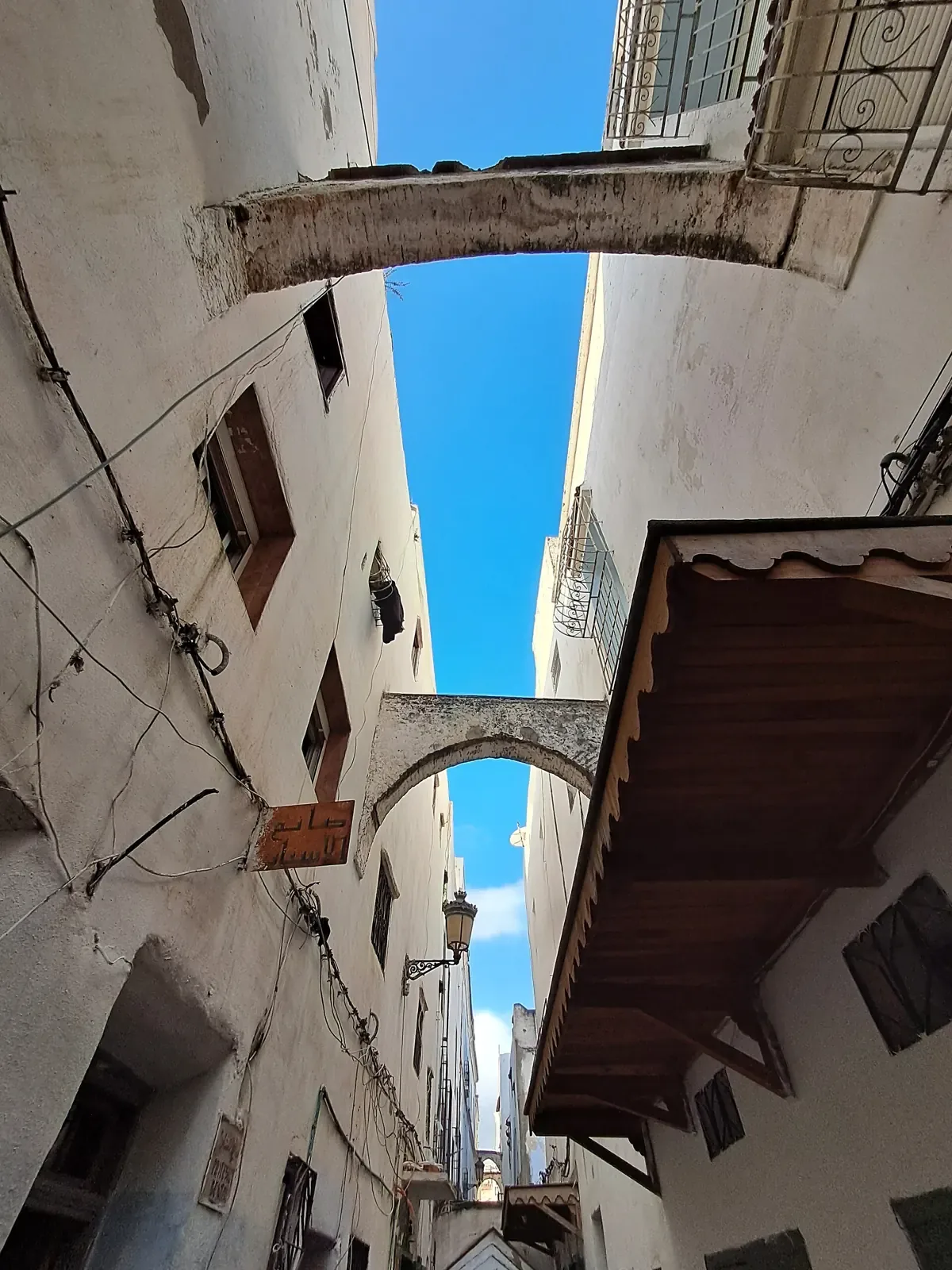
Planning tip: ask before photographing people, workshops or interiors. A working shop is not automatically a visitor attraction. If a visit includes a demonstration or sales stop, clarify the arrangement rather than assuming that every activity you see is included in your tour.
 An optional guided introductionTetouan walking tour with a local guidePrices and dates on GetYourGuideSee dates →
2. Walk beyond the walls into the Ensanche
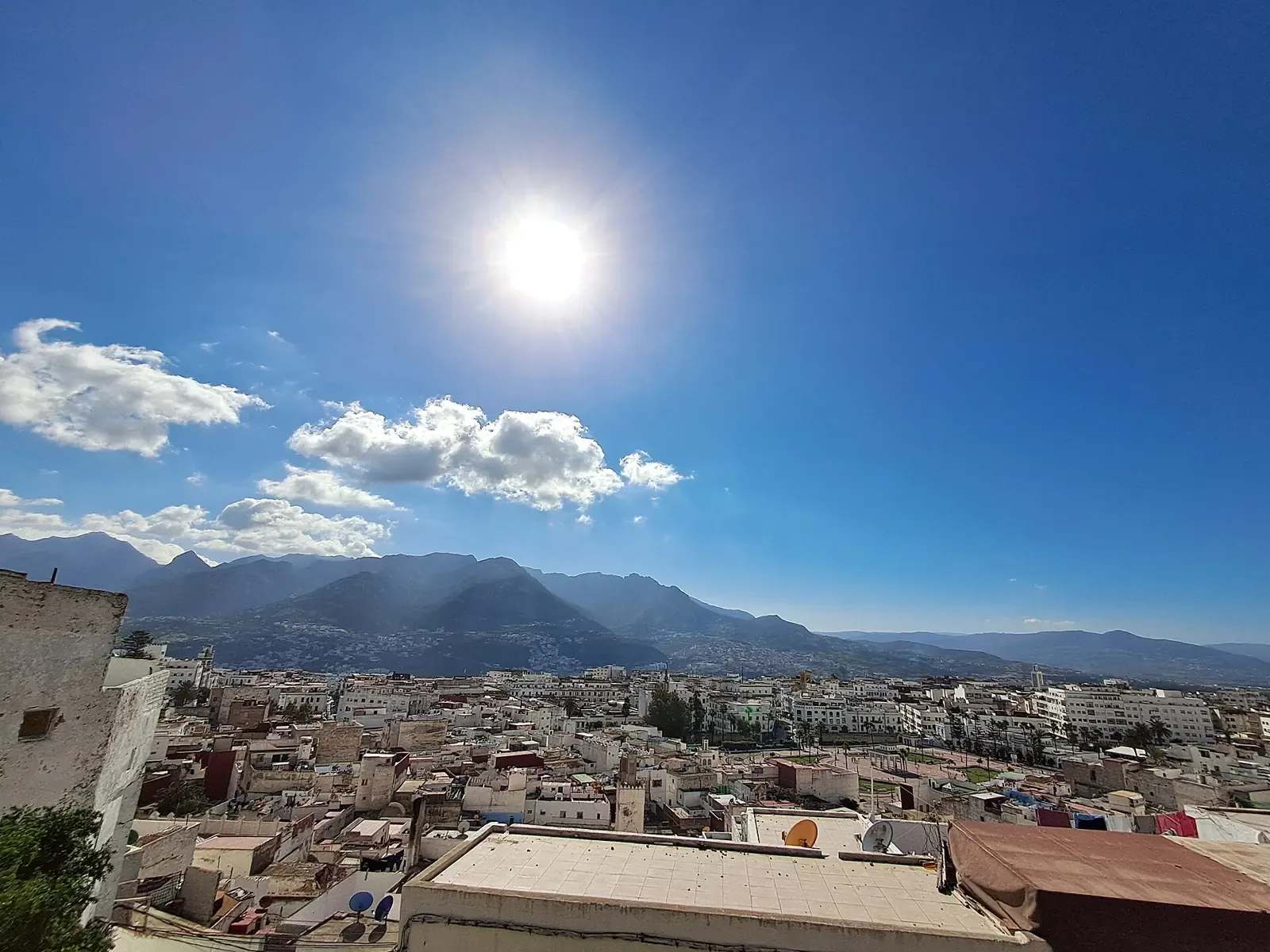
Follow the medina visit with time in the adjoining central streets. The change in street pattern and building style is part of Tétouan's interest. The wider historic centre, including the Spanish-era Ensanche, appears on a separate UNESCO Tentative List proposal. It is not the same designation as the inscribed medina. You can appreciate the contrast without trying to make every building into a scheduled attraction.
Best for: an architectural contrast and a second walk. Location: central streets adjoining the medina. Plan: a relaxed afternoon block. Access: ordinary public streets; interiors are separate. Paid option: optional guide, not a requirement.
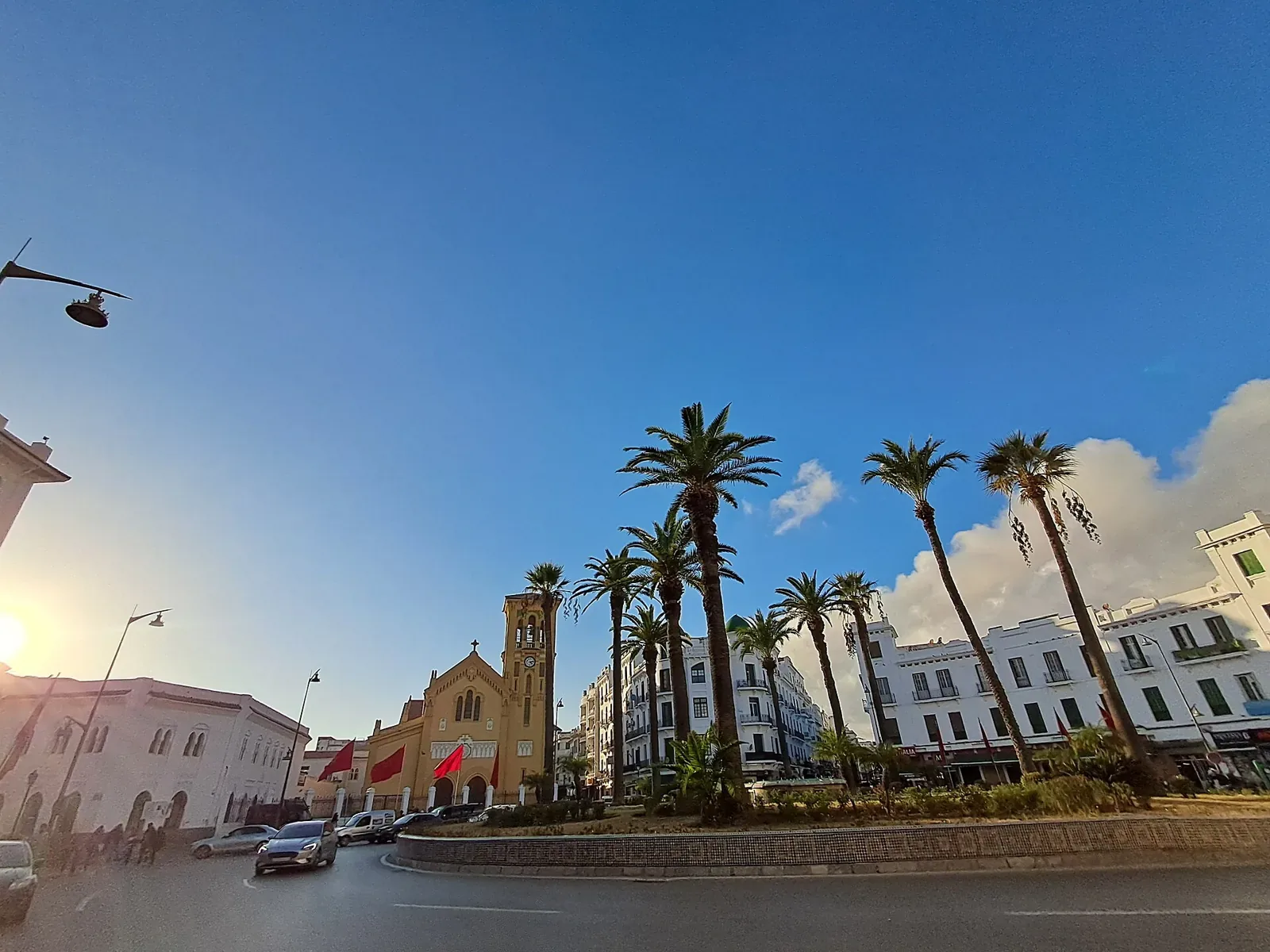
The national tourism office includes Our Lady of Victory Church among the city's sights. Treat an exterior stop and interior access as different possibilities: do not plan around entering without confirming visitor arrangements. Break this walk with a café stop if you need one, and leave enough time to return to your accommodation without turning the last part into a race.
Museums and cultural spaces: choose the subject you want
3. Visit Bab El Oqla Museum for the city's traditions
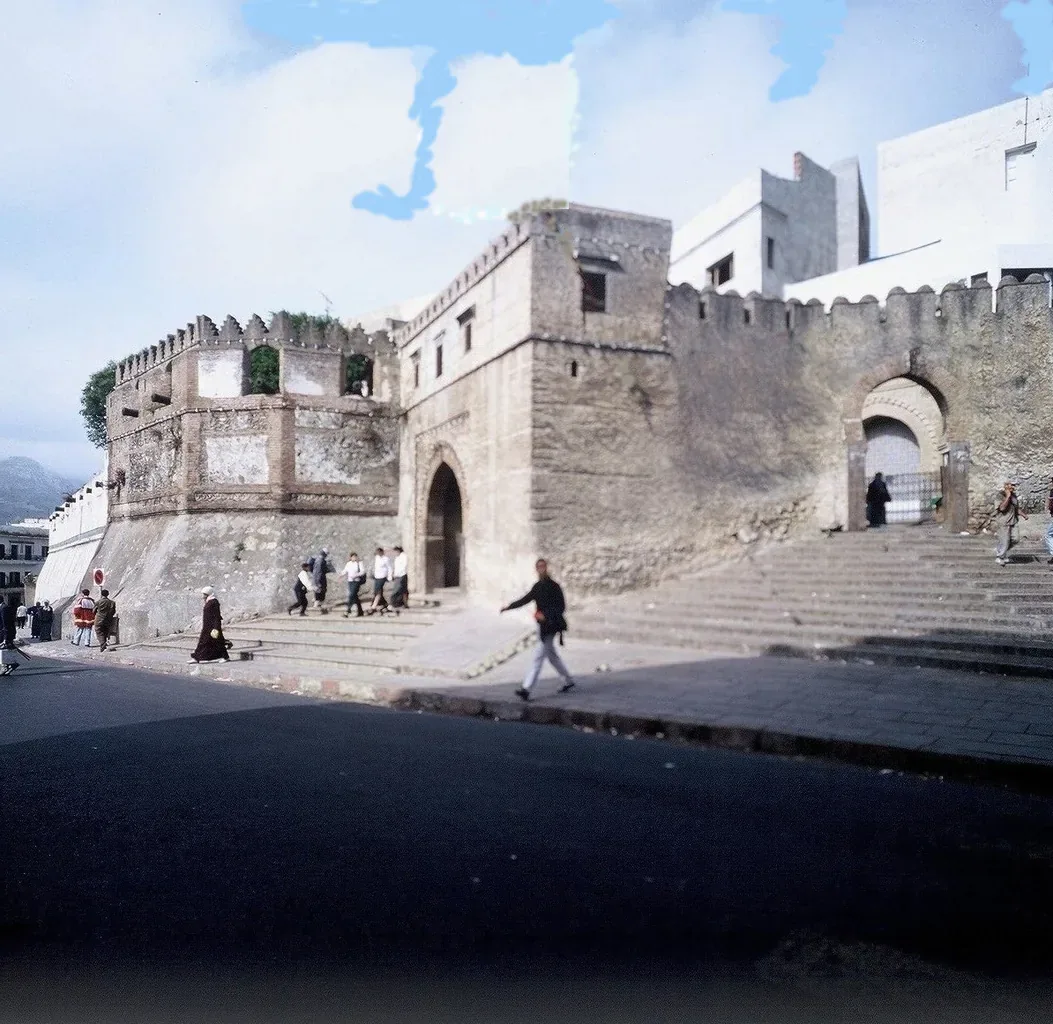
The Fondation Nationale des Musées lists Bab El Oqla as a Tétouan museum. The institution's presentation explores the city's history, urban life and craft traditions. It is the relevant option when your questions concern the place you have just been walking through. Pair it with a medina visit instead of treating the doorway alone as the attraction.
Best for: city culture and traditional crafts. Location: Bab El Oqla, Tétouan. Plan: one flexible museum session. Access: confirm current opening and admission directly. Paid option: venue admission where applicable.
Planning tip: decide which collection you want before arranging the day's route. A museum that suits your interests is a better use of a short visit than two museums selected only because they appear close on a map. Keep a walking alternative if the institution is unavailable on your date.
4. Choose the Archaeological Museum for the region's deeper past
Tétouan's archaeological museum is a separate institution in the national museum network, with material from northern Moroccan sites. Choose it if archaeology is a stronger interest than the city-and-craft focus of Bab El Oqla. The museum can give context to an archaeological outing, but it is also a valid choice on its own. There is no need to book another journey simply to justify a museum visit.
Best for: archaeology and regional history. Location: Tétouan city. Plan: one museum session. Access: check the current institutional listing. Paid option: venue admission where applicable.
For a group with different interests, agree on one indoor stop before setting out. A short, focused collection visit followed by free time can work better than asking everyone to follow a full museum programme. Do not use a historic exhibition announcement as proof that a temporary show still runs; consult the institution's current information.
5. Look at old Tétouan through Dar El Oddi
Dar El Oddi's official site describes a cultural space in a restored family house, with an exhibition of historical images of Tétouan from the sixteenth to the twentieth centuries. It offers another way to connect a present-day walk with the city's earlier appearance. Choose it for that subject and setting, rather than assuming it is simply another hotel with a courtyard.
Best for: historic images and a house-based cultural visit. Location: the medina. Plan: a focused stop within a wider walk. Access: contact the venue for current arrangements. Paid option: check admission directly.
Outside the centre: add one, rather than both
6. Consider Tamuda if archaeology is a priority
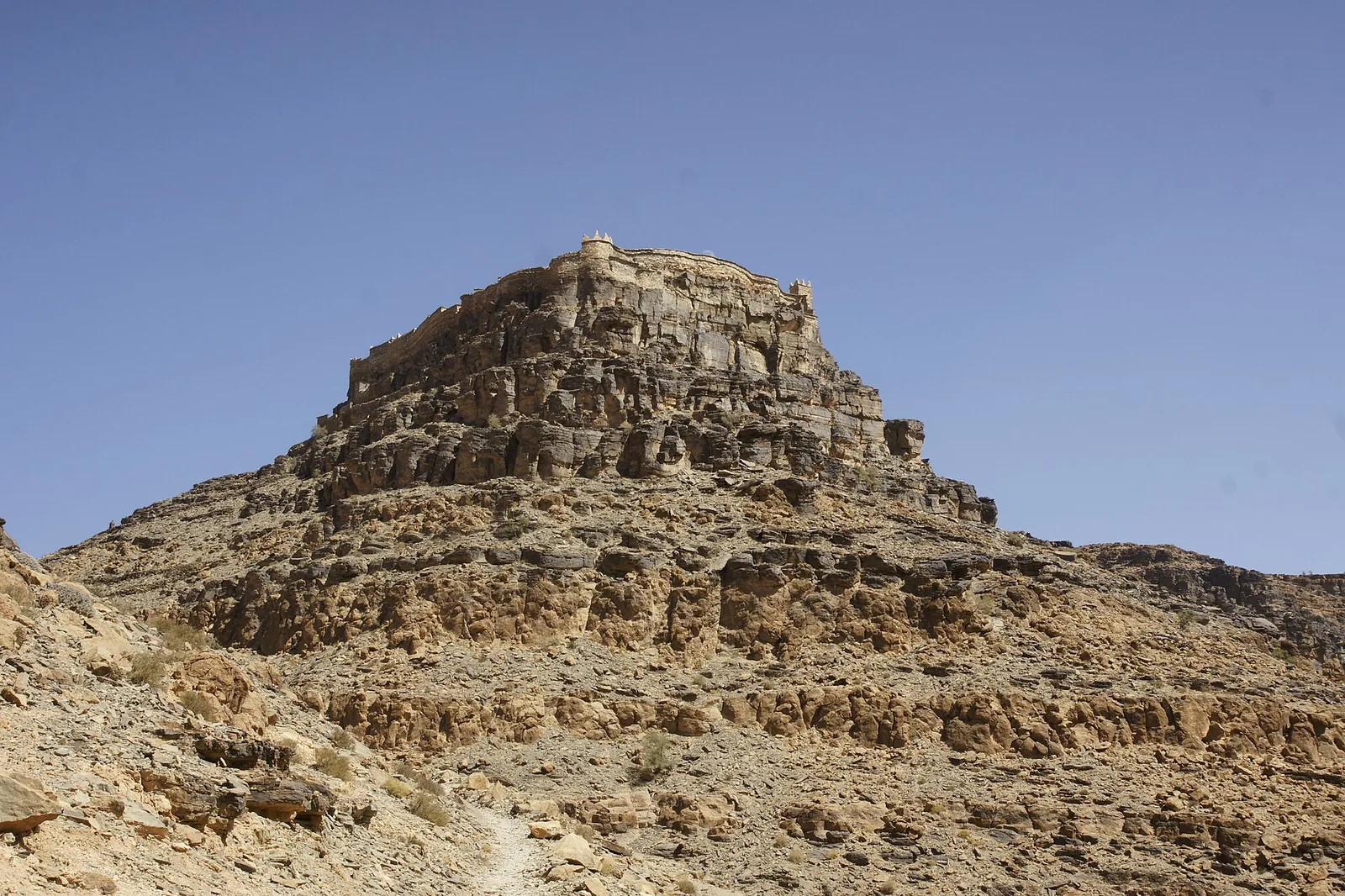
The national tourism office identifies Tamuda among Tétouan's surrounding attractions. It is a distinct archaeological-site outing, not another name for the city museum. If you want to go, confirm current access and arrange the journey around that information. We would keep it for visitors with a specific archaeological interest or more time than a tightly packed first day.
Best for: travellers prioritising archaeology. Location: Tamuda, outside central Tétouan. Plan: a separate outing with return transport. Access: verify before departure. Paid option: transport and any confirmed admission.
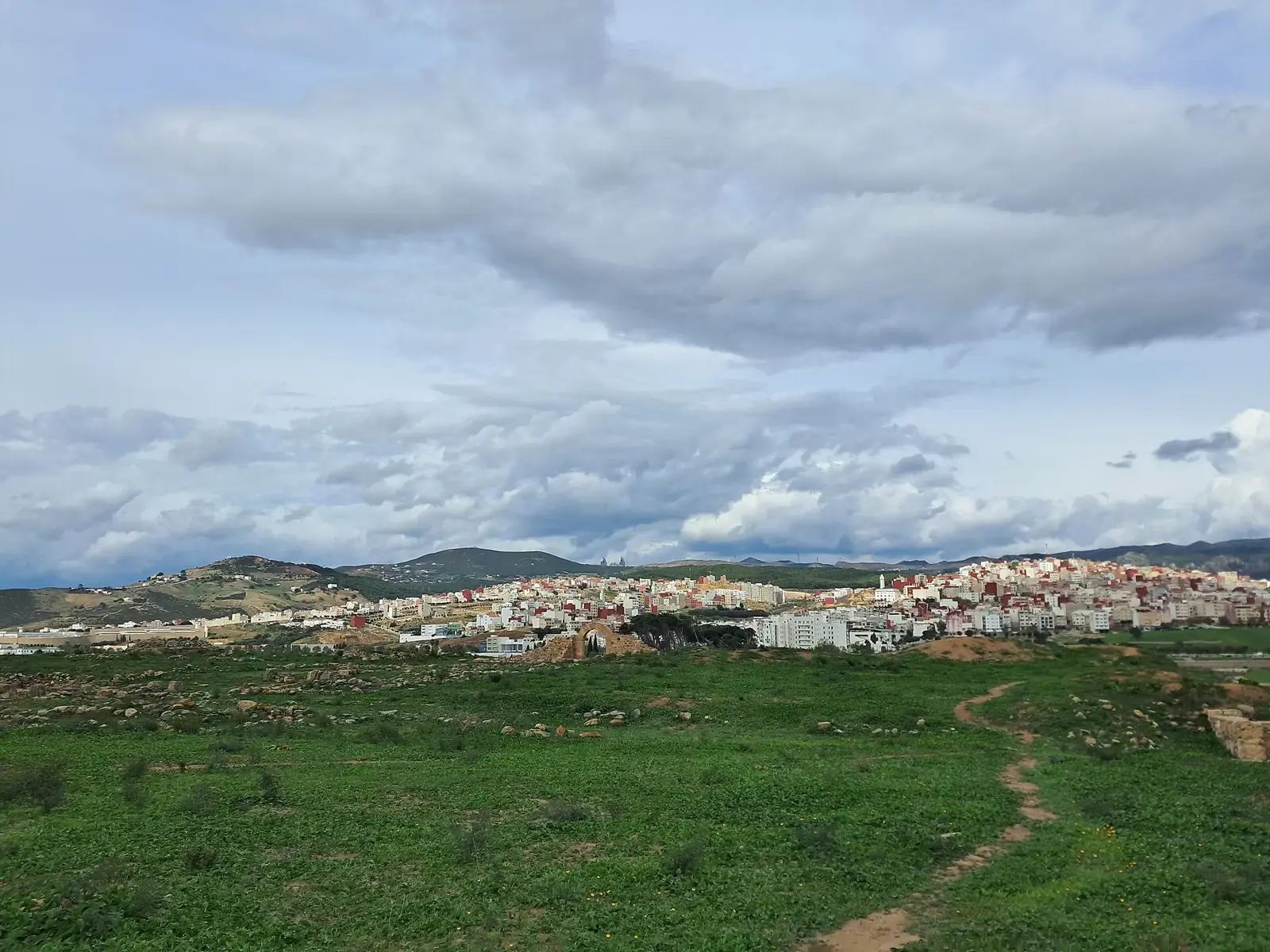
Do not book transport on the assumption that an outdoor archaeological site is always open. If access cannot be confirmed for your date, retain the archaeological museum and another city walk. That is a complete alternative, not a failed itinerary. Avoid quoting an undated admission price or journey time from an old guide as if it were a current booking condition.
7. Spend a separate half-day or longer on the coast
Martil and the wider coast provide a change of setting from the medina. The official coastal guide is a useful starting point for choosing where to go. Make the outing match the weather and your interests: beach time, a seafront walk or a longer coastal stay are different plans. We would not squeeze this into an already full museum-and-medina day.
Best for: visitors combining city and coast. Location: Martil or a chosen coastal destination. Plan: a separate half-day or longer. Access: check the exact destination and conditions. Paid option: transport and any activity you deliberately book.
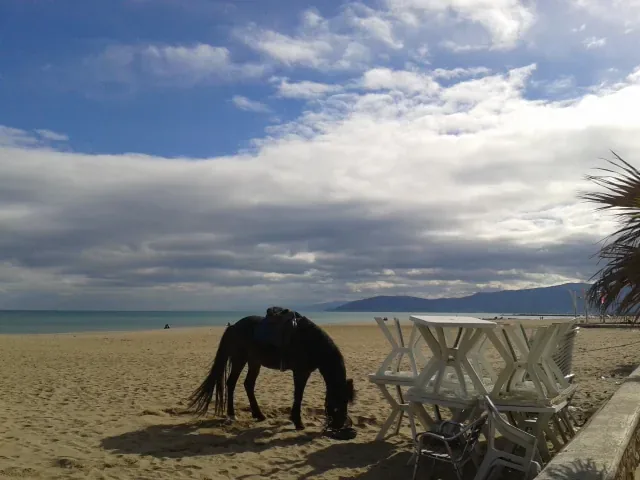
Arrange the return before committing to the outing, and check whether your chosen activity begins where you expect. Travellers staying on the coast can reverse the plan and make Tétouan the city day. Our accommodation guide explains why a coastal room and a medina room are not interchangeable bases.
Orientation: city visits and separate outings
© OpenStreetMap contributors. Use the wider view to compare city and coast plans. This map is for orientation, not an access-certified walking route or a timed transport itinerary.
Turn the choices into a manageable day
One full day: devote the morning to the medina, choose one indoor stop and spend the remaining time on adjoining central streets. Move the museum session to match confirmed access. This is our planning suggestion; a visitor particularly interested in archaeology may replace the craft-focused museum with the archaeological collection.
Two full days: keep the first for the city and choose Tamuda or a coast outing for the second. If you would rather stay in town, use the extra time for another collection and a slower return to the medina. More time does not create an obligation to travel farther.
If this is part of a northern route, compare the time you are giving Tétouan with Chefchaouen and Tangier. Our Tangier day itinerary can help you avoid assigning the same day to two cities. Confirm intercity transport before reserving timed activities on either end of the journey.
Three distinctions worth knowing before you go
- The medina and wider historic centre have different UNESCO status. Read the inscribed medina record separately from the wider-centre proposal.
- Bab El Oqla and the archaeological museum are different collections. The FNM directory lists both; choose according to city traditions versus archaeological interests.
- Dar El Oddi is a cultural space in a restored house. The venue's own description is the source for its historical-image exhibition, not a hotel booking page.
Things to do in Tétouan: FAQ
What should I do first in Tétouan?
Start with the medina if this is your first cultural visit. Choose a clear entry and return point, then add one museum or cultural space according to your interests and confirmed access.
Do I need to book a guided tour?
No. Consider a guide when interpretation is the main benefit you want. Ordinary independent street exploration is another option. Check meeting point, language and departure city before booking a listing.
Which museum should I choose?
Bab El Oqla suits interest in city traditions and crafts; the archaeological museum suits regional archaeology. Dar El Oddi offers historical images in a restored-house setting. Check the current programme and access before deciding.
Can I add the beach to a one-day visit?
You can choose a beach outing instead of part of the city programme, but we would not promise all seven experiences in one day. With two days, separate the city and coast plans.
Are the prices and hours in old guides reliable?
Use them only as leads to verify. Confirm current venue access and transport for your date. We have left unverified numerical fees and timetables out of this guide.
Choose your base and book only what needs booking
Compare Tétouan accommodation areas, then use the city travel guide for the overall plan. Confirm accommodation and transport, choose one cultural stop and keep enough flexibility to enjoy the walks between them.
Photo credits and licences
- Photo: Ideophagous, CC BY-SA 4.0, via Wikimedia Commons. Original photograph · CC BY-SA 4.0. Resized and converted to WebP.
- Photo: Ideophagous, CC BY-SA 4.0, via Wikimedia Commons. Original photograph · CC BY-SA 4.0. Resized and converted to WebP.
- Photo: Mhammad Benaboud, CC0, via Wikimedia Commons. Original photograph · CC0. Resized and converted to WebP.
- Photo: Ideophagous, CC BY-SA 4.0, via Wikimedia Commons. Original photograph · CC BY-SA 4.0. Resized and converted to WebP.
- Photo: Yamen, CC BY-SA 4.0, via Wikimedia Commons. Original photograph · CC BY-SA 4.0. Resized and converted to WebP.
- Photo: Ideophagous, CC BY-SA 4.0, via Wikimedia Commons. Original photograph · CC BY-SA 4.0. Resized and converted to WebP.
- Photo: Mohamed Haddi, CC BY-SA 3.0, via Wikimedia Commons. Original photograph · CC BY-SA 3.0. Resized and converted to WebP.
- Photo: BOUCHRA MOUSSAOUI, CC BY-SA 4.0, via Wikimedia Commons. Original photograph · CC BY-SA 4.0. Resized and converted to WebP.