

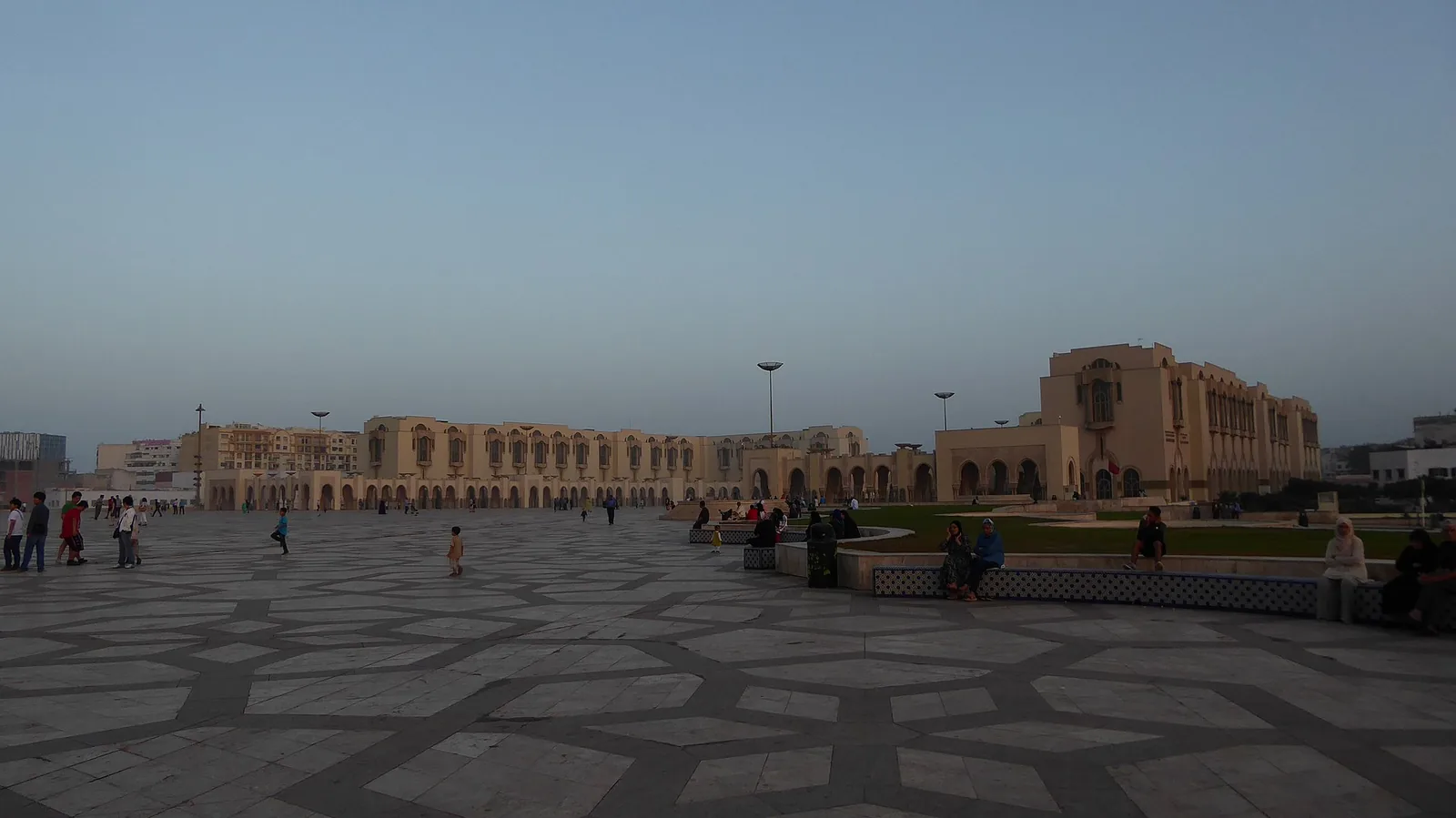
Casablanca is not the Morocco most travellers picture. No imperial medina, no riads with rooftop terraces, no snake charmers in the main square. What you get instead is a working Atlantic port of 4 million people, the world’s third-largest mosque, art deco arcades from the French protectorate, an oceanfront promenade, and a food scene that quietly outperforms Marrakech.
Most international travellers spend one or two nights in Casablanca because they arrive into Mohammed V Airport. This guide tells you exactly what is worth your time when you do, what to skip, and how to make sure that overnight is more than a transit stop.
⚡ Casablanca quick facts
- Best for: Architecture lovers, foodies, layover travellers, Hassan II Mosque visitors
- Skip if: You want medina romance, riads, or souk shopping (go to Marrakech or Fes instead)
- Time needed: 1–2 days is enough for most travellers
- Best season: March–May and September–November (mild Atlantic climate)
- Budget per day: €60–120 mid-range, €200+ luxury
- Last reviewed: May 2026
Is Casablanca worth visiting?
Honest answer: yes, but only one or two nights. Casablanca is not where you go to feel transported to medieval Morocco. It is where you see modern Morocco — economic capital, French protectorate architecture preserved in the Centre Ville, a diaspora-rich middle class, and the most ambitious mosque built in the 20th century.
The travellers who love Casablanca tend to be: architecture enthusiasts (the art deco quarter is genuinely world-class), people who want to see Morocco beyond the imperial-city stereotype, and those who use the city as a smart bridge between an arrival flight and the train south to Marrakech or north to Fes.
The travellers who leave disappointed expected souks and got skyscrapers. If your only Morocco trip is short, prioritise Marrakech and Fes instead and use Casablanca only as your arrival point.
5 best things to do in Casablanca
1. Hassan II Mosque ⭐ Don’t miss
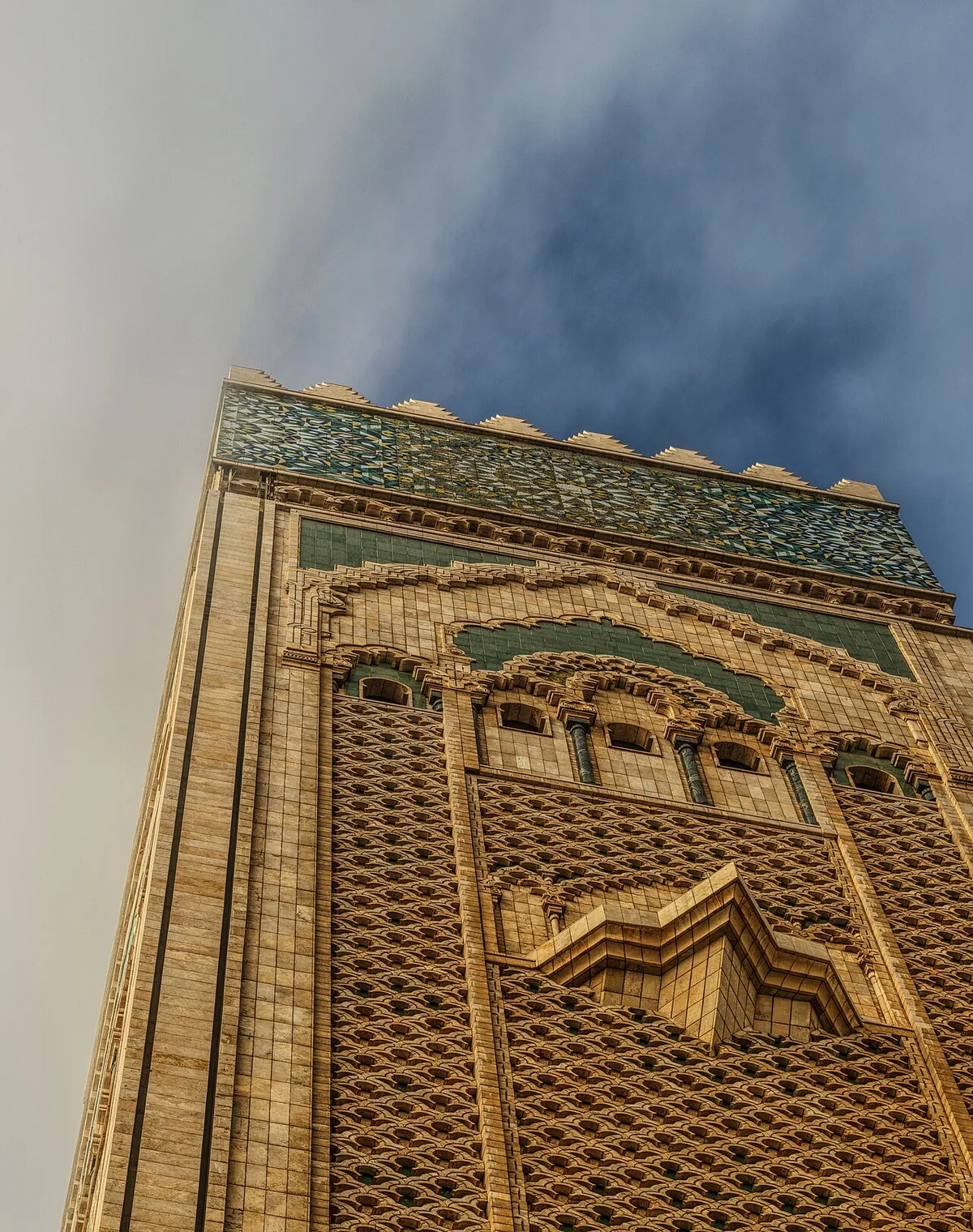
This is the only reason most travellers stop in Casablanca, and it justifies the visit on its own. Completed in 1993, partly built over the Atlantic, with a 210-metre minaret (the world’s tallest mosque minaret), and a retractable roof. Non-Muslims are allowed inside on guided tours — this is rare in Morocco and you should not skip it.
Practical: Tours run six days a week (closed Friday morning for prayers). Tickets ~140 MAD (€13). Tours last 45 minutes and run in English, French, Spanish, German. Buy at the entrance or book ahead in high season. Dress modestly — long sleeves and trousers/long skirt; women receive a scarf if needed. Allow 2 hours total including the exterior plaza.
Book Hassan II Mosque + Casablanca tours Tour-guide options that include Hassan II Mosque entry, art deco walks, or food tours. Pre-booked tickets save the queue in spring/autumn.
- Hassan II Mosque guided tour + skip-the-line
- Casablanca city tour with Hassan II + Habous
- Casablanca food walking tour
Affiliate disclosure: CityQuest Morocco may earn a small commission if you book through these links — at no extra cost to you. We only link to operators we’d use ourselves.
2. Quartier des Habous (New Medina)
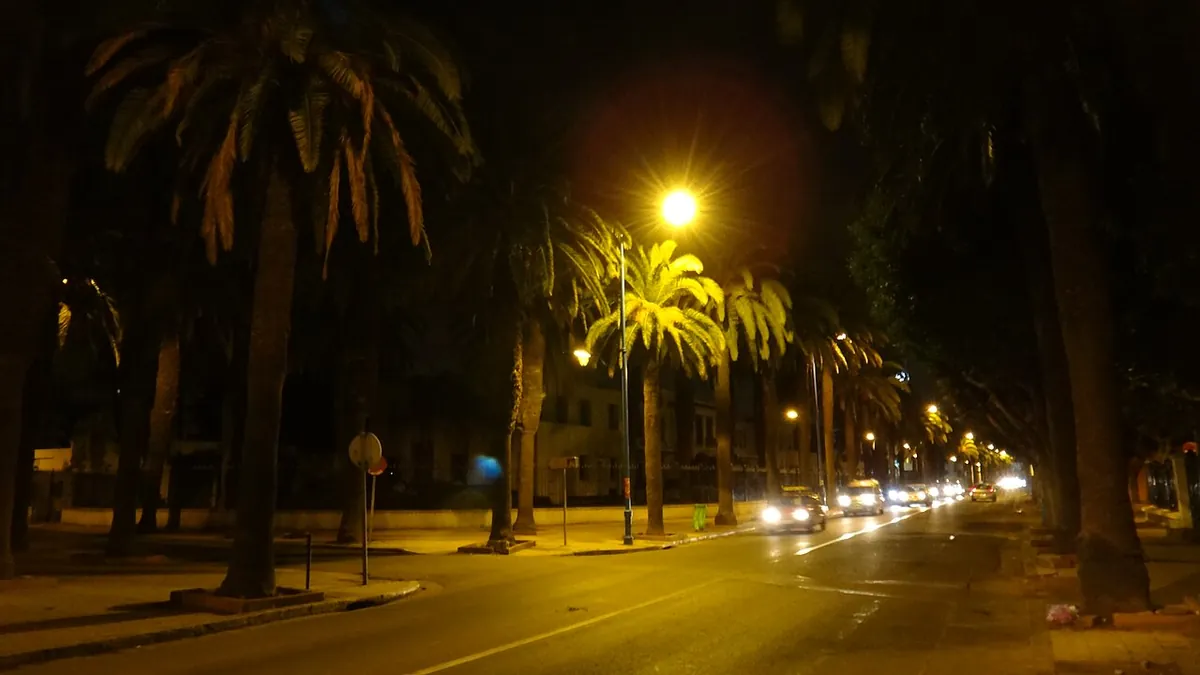
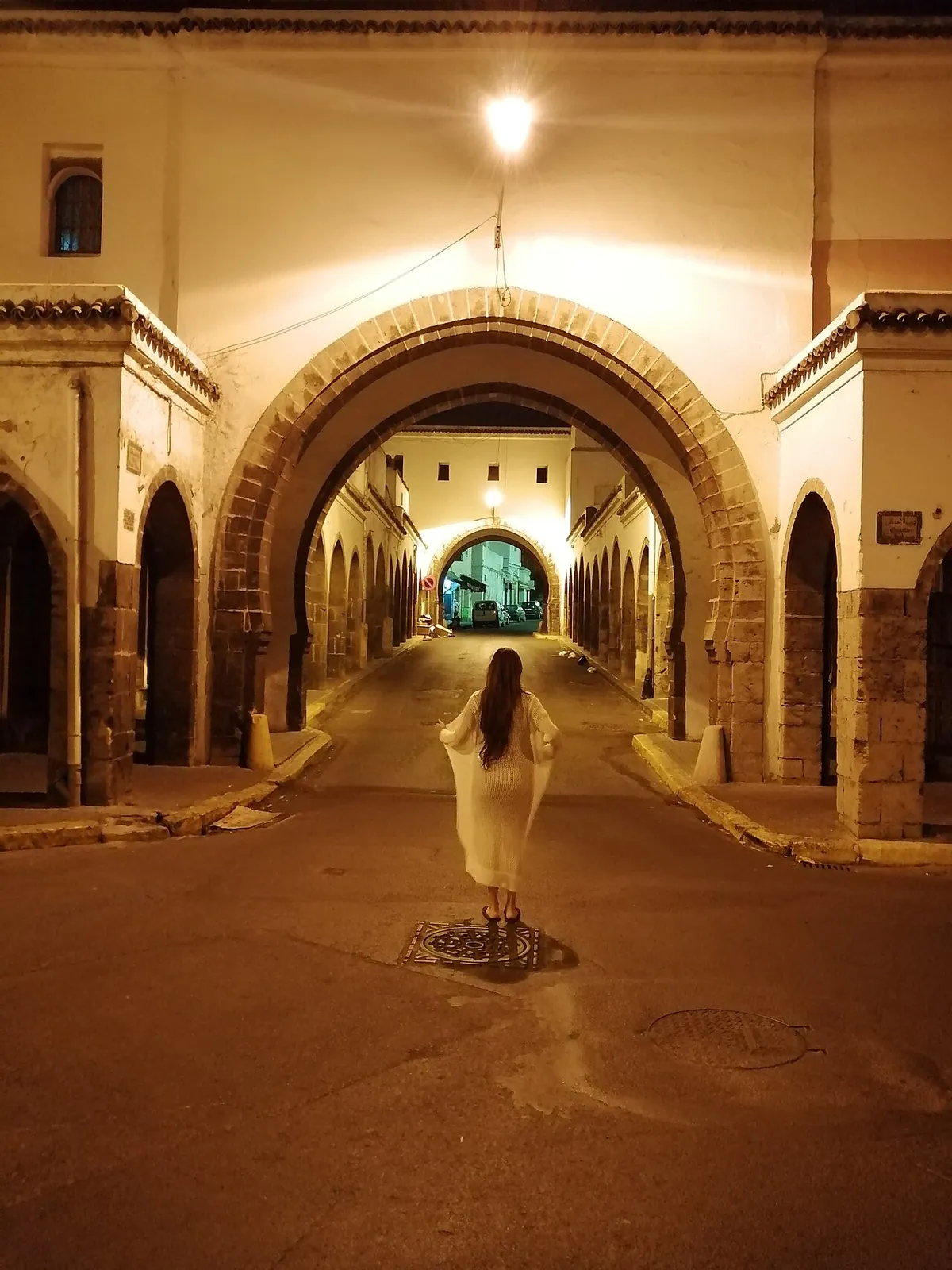
Built in the 1930s by the French as a planned “Moroccan-style” quarter, the Habous is what a medina would look like if architects had designed it on a grid. Wide arcaded streets, Moroccan crafts in actual workshops (not tourist tat), the famous Patisserie Bennis Habous (founded 1930, get the gazelle horns), and three small bookstores selling rare French and Arabic editions. More relaxing than a real medina; less authentic but easier to navigate.
Practical: Open during business hours (closed Friday afternoon). Free. 30-minute drive south of city centre. Combine with the nearby Royal Palace exterior and Mahkama du Pacha (a 1950s neo-Moorish administrative palace, occasionally open).
3. Art Deco Centre Ville walk
Few travellers know that Casablanca has the largest collection of art deco architecture outside Miami. Boulevard Mohammed V, Place des Nations Unies, the streets around the Marché Central, and Boulevard Houphouët-Boigny are lined with 1920s–40s buildings combining French art deco with Moroccan zellige and arches. Many are decaying; a handful (like the cinema Rialto and the Hôtel Lincoln ruin) are protected. A 90-minute walking loop covers the main highlights.
Practical: Best done on foot in the morning. Self-guided with a map, or book a Casamémoire walking tour (free, donations welcome) on weekends.
4. La Corniche & Ain Diab beach
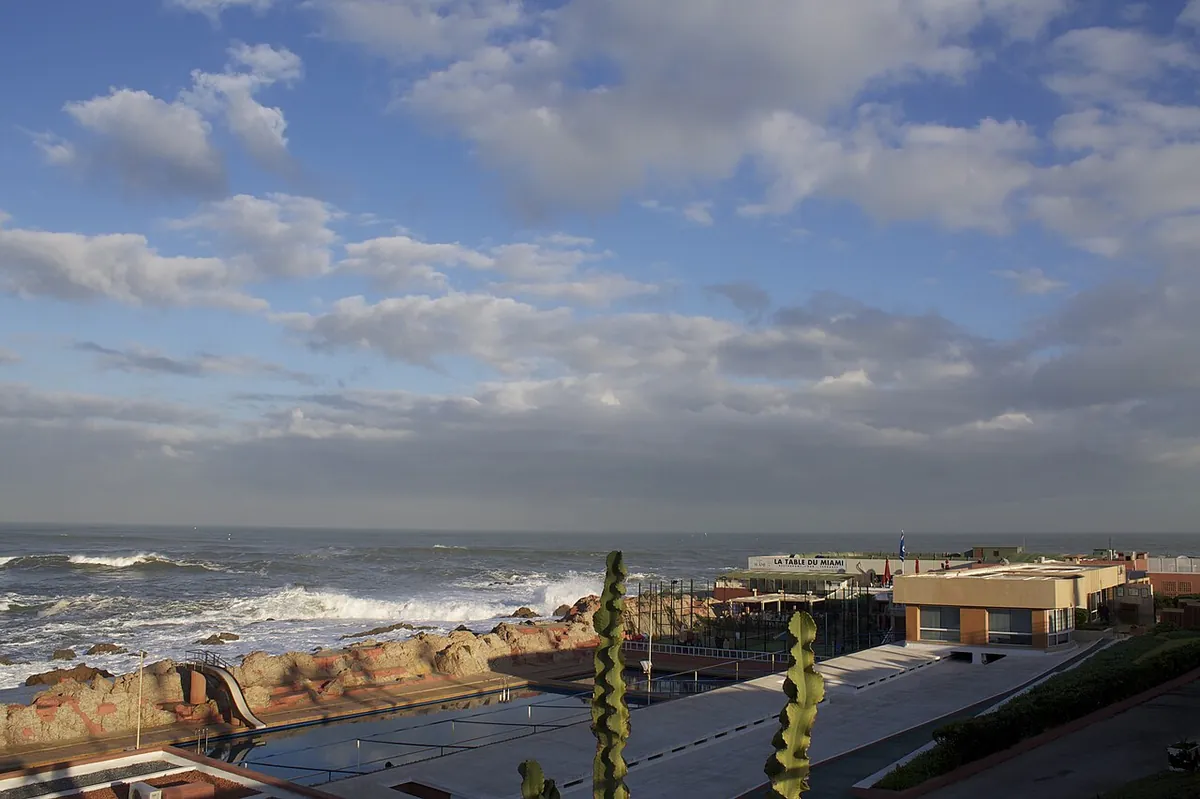
Casablanca’s answer to a beach resort strip — the Corniche is 7 km of seafront restaurants, cafés, beach clubs, and the Morocco Mall (largest in Africa) at the southern end. The Atlantic is too cold for swimming most of the year, but the sunset walk past the Hassan II Mosque is one of the best free experiences in the city. Beach clubs (Tahiti Beach, Miami Plage) charge ~150 MAD entry and include a sunbed.
5. Old Medina
Yes, Casablanca has a medina, but it’s small (about 8 hectares versus Fes’s 280) and mostly residential. Worth 30–45 minutes if you’re already at the port-side end for the Hassan II Mosque. Don’t expect Marrakech-level souks — this is a working neighbourhood with fish markets, small grocers, and a few tourist-facing shops. Skippable on a tight schedule.
Where to stay in Casablanca
| Area | Vibe | Price band | Best for |
|---|---|---|---|
| Centre Ville | Art deco core, walkable, business hotels | €80–250 | First-timers, short stays, walkers |
| Maarif / Gauthier | Upscale residential, restaurants, cafés | €100–300 | Foodies, longer stays |
| Anfa / Corniche | Oceanfront, resort feel, modern | €120–500 | Couples, families, beach lovers |
| Near airport | Functional, no atmosphere | €60–150 | Layovers only |
Three names worth remembering: Sofitel Casablanca Tour Blanche (Centre Ville, business luxe), Mövenpick Casablanca (modern, well-located near Twin Center), and Four Seasons Casablanca (Anfa, full beachfront resort).
For a complete neighbourhood breakdown with property recommendations, see our Where to Stay in Casablanca guide.
Food and where to eat
Casablanca is the most cosmopolitan city in Morocco and its food reflects that. Don’t look for traditional Moroccan tagines exclusively — the city does Atlantic seafood, French bistros, Levantine, and excellent contemporary Moroccan equally well.
- Marché Central (Centre Ville) — the morning fish market plus a row of seafood lunch spots in the surrounding alleys. Order grilled sea bream and a glass of Moroccan rosé. ~150–250 MAD per person.
- La Sqala — restaurant inside an 18th-century Portuguese fort wall. Moroccan menu, beautiful courtyard, popular for dinner. Book ahead.
- Rick’s Café — the real-life recreation of the fictional café from Casablanca. Touristy yes, but the room is genuinely well done and the food is solid. Live piano nightly.
- Patisserie Bennis Habous — for traditional Moroccan pastries (gazelle horns, briouates) made the same way since 1930.
- Boulevard Massira Khadra (Maarif) — modern restaurants, wine bars, brunch spots. The neighbourhood Casablancais actually go out in.
Getting there and around
Arriving by air
Mohammed V International Airport (CMN) is 30 km south-east of the city. Train station inside the airport — the ONCF Al-Bidaoui line runs every 30 minutes to Casa Voyageurs and Casa Port stations (43 MAD, ~35 min). Far cheaper than taxi and faster than driving in traffic. Petit taxi to centre is 250–350 MAD by meter (insist on it).
Train to Marrakech / Fes / Tangier
Casa Voyageurs is the main intercity station. The Al-Boraq high-speed line runs Casablanca–Tangier in 2h 10min (€20–35). Standard trains to Marrakech (3h, €15–30) and Fes (3h 30, €15–30) leave roughly hourly. Book online at oncf.ma for reserved seats in summer.
Inside the city
The tram (T1, T2) is clean and useful for connecting Centre Ville to Maarif and the eastern districts. Petit taxis (red) are cheap and metered — about 15–40 MAD for most trips inside the city. Uber is not available; Yango (Russian app) and Careem work. Walking covers the Centre Ville core comfortably.
Day trips from Casablanca
Casablanca makes a workable base for two excellent day trips:
- Rabat (1 hour by train, €5–10): Morocco’s administrative capital — Kasbah des Oudayas, Hassan Tower, Mohammed V Mausoleum, the Chellah Roman ruins. More refined than Casablanca, more visitable than people expect. Easy day trip. See our Rabat travel guide.
- El Jadida (1h 30 by train, €5–10): a small Atlantic port with a UNESCO-listed Portuguese cistern and 16th-century fortified medina. Lower-key, fewer tourists, good seafood lunch. Best as a half-day on the way to Essaouira if you’re heading south.
Book Casablanca → Rabat day trips Easiest way to combine Casablanca with Rabat in a single day if you don't want to manage train tickets and a local guide separately.
- Rabat day trip from Casablanca (full day, guided)
- El Jadida + Azemmour day trip
- Casablanca → Marrakech private transfer
Affiliate disclosure: CityQuest Morocco may earn a small commission if you book through these links — at no extra cost to you. We only link to operators we’d use ourselves.
Practical tips and what to skip
- Skip: the “real” old medina if you’re short on time — it’s small and not the city’s strength.
- Skip: Morocco Mall unless you have kids who need an aquarium break.
- Don’t skip: a sunset walk on the Corniche with the Hassan II Mosque on the horizon — completely free, takes 45 minutes, the most cinematic thing in the city.
- Cash: ATMs are everywhere; cards work in mid-range and up restaurants. Carry small notes for taxis and small shops.
- Language: French is the working language in business, restaurants, and hotels. Arabic is the mother tongue. English is widely spoken in tourist-facing roles but less than in Marrakech.
- Safety: Casablanca is one of the safest large North African cities for visitors. Standard pickpocket precautions in Marché Central and the Old Medina apply. Solo female travellers report a more European experience here than in Marrakech’s souks.
FAQ — Casablanca
How many days do you need in Casablanca?
One or two days. One day covers the Hassan II Mosque, the art deco walk, and a Corniche sunset. A second day adds the Habous quarter, more in-depth food, and a half-day to Rabat. More than two days and you’ll feel restless — Casablanca’s sights are concentrated.
Is Casablanca worth visiting or should I skip it?
Worth visiting if you’re flying into CMN airport anyway, or if architecture/food are your priority. Skip if your trip is under 7 days and you haven’t seen Marrakech or Fes yet — those are higher-priority destinations for a first visit to Morocco.
Can non-Muslims enter Hassan II Mosque?
Yes. It’s one of the only mosques in Morocco that accepts non-Muslim visitors, on guided tours running six days a week (closed Friday morning). Tickets ~140 MAD; tours run in five languages.
Is the Hassan II Mosque tour worth the money?
Yes. Even if you only have one half-day in Casablanca, this is the visit. The 45-minute guided tour covers the main prayer hall, the underground hammam, and the ablutions room. The architecture and craft detail justify the ticket alone.
How do I get from Casablanca airport to the city centre?
Take the ONCF train from inside the airport. Trains run every 30 minutes, cost 43 MAD (€4), and take 35 minutes to Casa Voyageurs (the main station) or Casa Port (for the Hassan II Mosque area). Cheaper and faster than a taxi in traffic.
Is Casablanca safe at night?
Generally yes in tourist areas (Centre Ville, Maarif, Corniche). The Old Medina and quieter industrial areas are best avoided after dark. Take petit taxis instead of walking long distances at night.
What is the best time to visit Casablanca?
March–May and September–November. The Atlantic Ocean keeps Casablanca cooler than inland Morocco — summers are mild (24–28°C) but humid, winters are wet but rarely cold. Avoid August (busy with returning Moroccan diaspora) and Ramadan (limited daytime restaurant hours).
📱 Stay connected in Morocco
Get a Morocco eSIM before you fly — instant activation, no roaming, around €5–15.
Affiliate link.