Choose April or October for a first trip that combines several parts of Morocco. Both give you a wider choice of places than July or January, when the coast and inland cities suit different plans. If your trip has one main purpose, pick its destination first. A surf break in Taghazout, a week in the medinas and a night by the dunes need different dates.
Short answer. Pick April for Marrakech and Fes, or October for a city-and-desert route. Marrakech’s average daily high is 25.7°C in April, 28.5°C in October and 37.7°C in July. Agadir’s July average high is 26.7°C. That gap can change which airport makes sense.
This guide contains affiliate links. CityQuest Morocco may earn a commission if you book through them, at no extra cost to you.
Choose a month around your trip
Scroll sideways to see all columns.
| Your priority | Start with | Main trade-off |
|---|---|---|
| Cities and short day trips | April or October | Check midday heat in October and keep one flexible slot in April. |
| Dunes and cities in one week | October or November | Travel days eat into city time. Leave the final night near your departure airport. |
| An Atlantic break in summer | June to September | Choose Agadir for the bay or Essaouira for town and coast. Expect wind in exposed spots. |
| Winter sun and short outings | December to February | Pick a sheltered base and pack for cool nights and wet spells. |
| A trip anchored on an Atlas hike | Choose the route before the month | Elevation and current access matter more than conditions in Marrakech. |
Spring for independent sightseeing. Build your trip around two bases. Marrakech works for gardens, palaces and a day outside the city. Fes works for a second medina with its own rhythm. If you only have four nights, choose one of those cities and leave time to enjoy it on foot. The April guide goes into regional packing and route decisions.
 GetYourGuide experienceMarrakech medina and palace walkPrices and dates on GetYourGuideSee dates →
Autumn for a desert leg. Start with October if you still want to eat outdoors in Marrakech. Consider November if you prefer cooler afternoons and can accept less daylight. Count the transfer to and from the dunes as part of the trip. A three-day tour occupies three calendar days even if you spend just one night in a dune camp. Check the itinerary’s overnight stops and where it ends before pairing it with a hotel.
Summer on the Atlantic. Base your trip near Agadir’s beaches if you want to alternate outdoor time with breaks at your accommodation. Choose the Essaouira medina if seafood, a walkable town and ramparts matter as much as the beach. A day that feels warm in town can feel cooler on the open shore. If swimming or surfing matters, check local flags and conditions.
Winter for shorter days outdoors. Plan a city break around midday and choose accommodation with confirmed room heating. A coastal stay can feel milder than Fes or inland stops, although light layers and a rain plan still matter. For a winter departure, use the Morocco in December guide to compare regional weather and early versus late month booking.
Weather and seasons
These are mean daily low and high temperatures for selected months. Marrakech represents an inland city. Agadir Inezganne is a weather station in the Agadir area, so use its readings for regional planning and check the beach forecast separately.
Scroll sideways to see all columns.
| Month | Marrakech low / high | Agadir low / high | Planning decision |
|---|---|---|---|
| January | 5.9 / 19.1°C | 8.4 / 21.1°C | Leave outdoor reservations flexible. |
| April | 12.4 / 25.7°C | 14.1 / 23.2°C | Good for mixing cities and coast. |
| July | 20.6 / 37.7°C | 19.2 / 26.7°C | Plan around heat inland or stay by the ocean. |
| October | 15.7 / 28.5°C | 16.7 / 26.1°C | Good for cities with a second regional base. |
| December | 7.3 / 20.2°C | 10.1 / 22.1°C | Pack for mornings and after sunset. |
Source: 1991–2020 normals published by the WMO World Weather Information Service for Marrakech and Agadir Inezganne. The Moroccan National Tourist Office’s regional overview explains the influence of the Atlantic, the mountains and the inland climate.
Events and school holidays
Check flight and room prices on the same dates before committing. A fare bought over a school break can make an otherwise affordable itinerary expensive. Search your dates and the nearest workable midweek departure together. Compare the full trip cost, including a late airport transfer or an extra night needed for a connection.
If a festival is the reason for travelling, check the organiser’s programme before booking flights or hotels. Marrakech’s international film festival lists the dates of each edition. For visits during Ramadan, confirm meal options and attraction hours directly, especially in the hours before and after sunset. Build your day around a clear opening slot and keep a second option nearby.
Plan the trip around daylight
In Marrakech in high summer, use the morning for exposed gardens and squares. Aim for longer breaks in the middle of the day and go back out later. In winter, make the warmest part of the day your long walking slot. If combining a city with a guided outdoor activity, leave a free morning or afternoon to absorb a weather cancellation.
Three booking details that change the plan
- Look up the overnight stop. A Marrakech-to-Sahara listing may spend the first night away from the dunes. Check which night includes the camp before you reserve a separate room.
- Compare the finish point with your next booking. A tour ending in Fes saves a transfer only if Fes is already on your route. Count the next airport journey too.
- Check the weather at the activity. The city forecast is a starting point. Ask your mountain or surf operator what conditions would move your booking and how much notice they give.
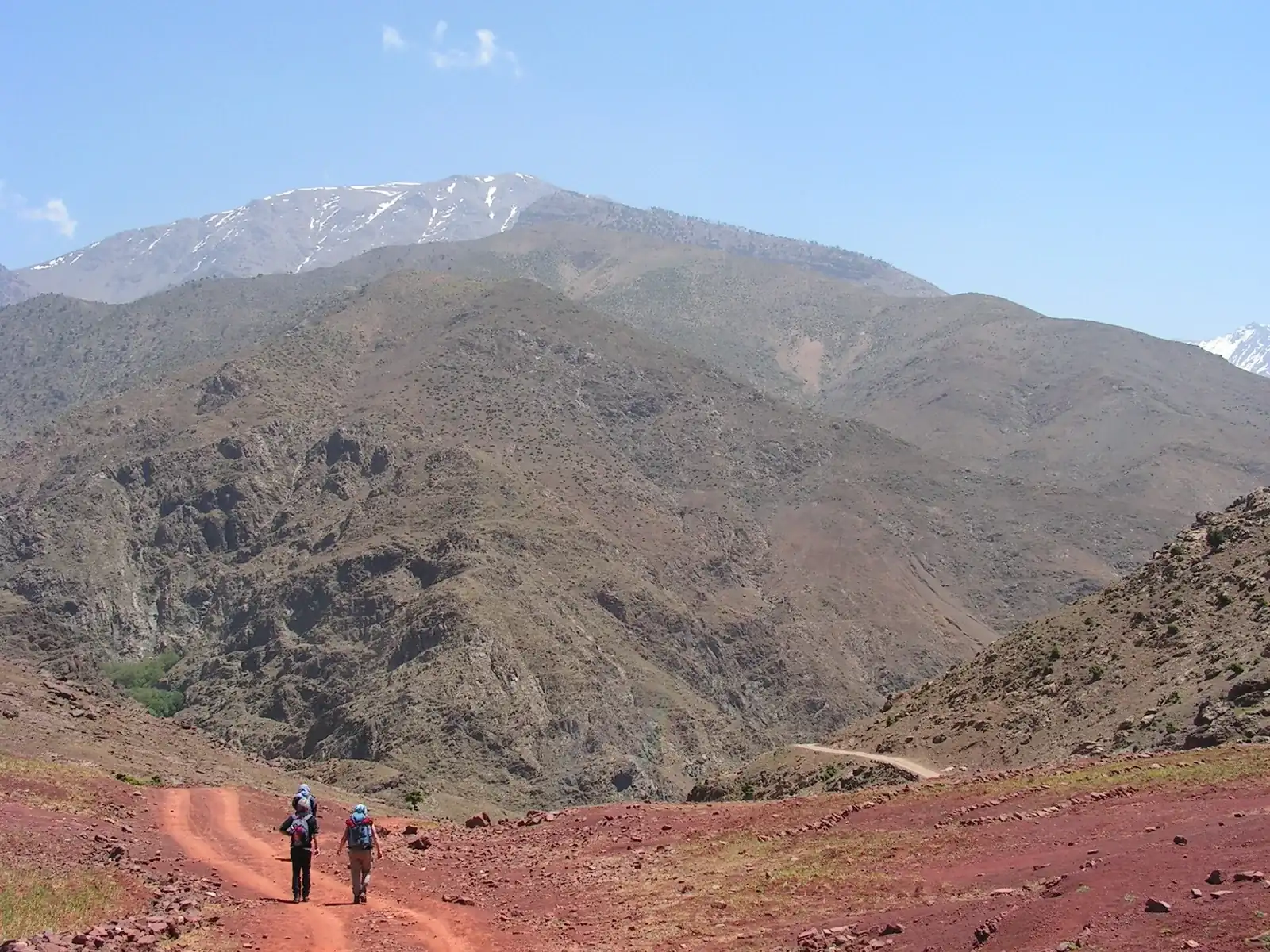
For an Atlas day, distinguish a village visit or valley walk from a high route. Ask for the actual trail, elevation, pickup point and bad-weather plan. A warmer month in town does not settle questions about snow, wind or trail surfaces in the mountains. For a city day with a more predictable plan, start with the self-guided Marrakech Souks Quest.
What to pack
- Spring and autumn: breathable walking clothes, an extra layer for dinner and a compact rain shell if the route includes the north or the Atlas.
- Summer: sun protection, water and clothing you can walk in comfortably. An early start changes the experience more than adding another attraction.
- Winter: closed shoes, socks, a warm layer and a windproof outer layer. Ask about bedding at camps and heating in your actual room.
- All seasons: save your accommodation address and map offline. Keep arrival instructions somewhere you can read them without data.
If your route includes several bases and you will rely on mobile data for arrival messages, choose a Morocco plan that covers your trip dates. Check your phone’s compatibility and keep the key maps and addresses offline.

What to book first
First lock down your route and the first night’s accommodation. Then book whichever activity has the least flexible departure point or cancellation terms. If you want a dune night, confirm camp location, bedding, route and mileage with the operator. Compare that with a shorter outing from Marrakech when the week already has two cities.
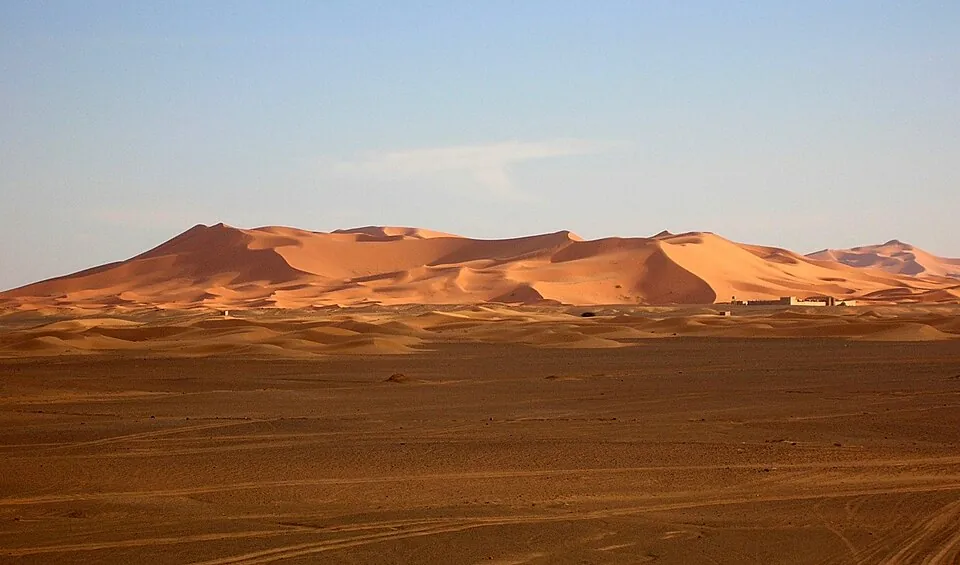 GetYourGuide experienceThree-day Merzouga and Sahara tourPrices and dates on GetYourGuideSee dates →
For coast-first trips, buy lessons for the level you actually surf. In Taghazout, confirm that a coach chooses a suitable beach on the day and that the pickup or meeting point matches your base. A traveller staying by Agadir’s bay should account for the transfer to a lesson advertised in Taghazout.
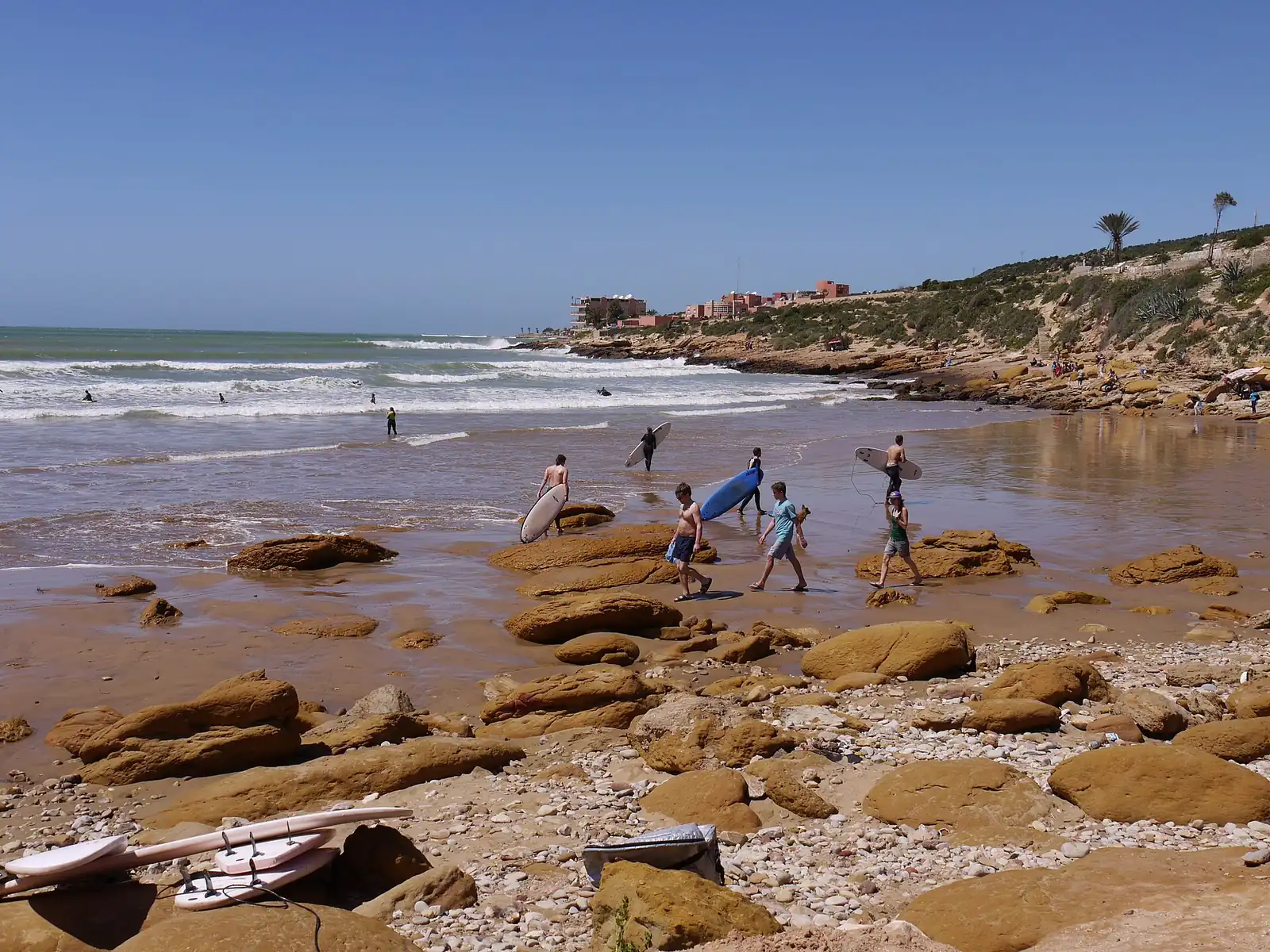 GetYourGuide experienceBeginner surf lesson in TaghazoutPrices and dates on GetYourGuideSee dates →
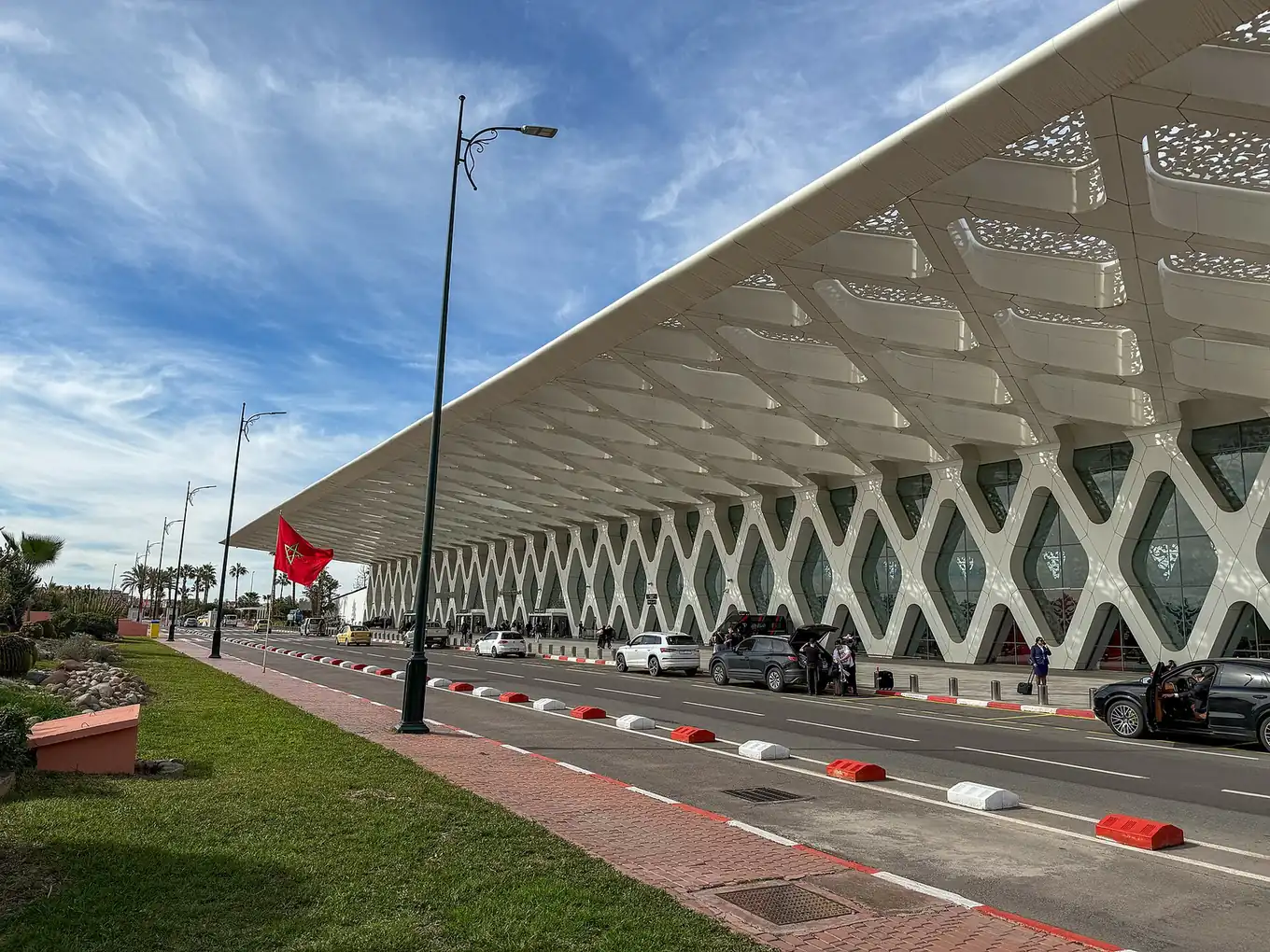
Before paying for a late flight, read the Marrakech airport transfer guide and check whether your riad can meet you at a vehicle-accessible gate. A cheaper flight with a difficult final leg is worth pricing against the arrival you want.
Frequently asked questions
Which month is best for a first visit to Morocco?
April is a strong default for a first city-and-coast trip. Choose October if a desert leg is your priority. In both cases, plan the trip around your actual route and check the weather close to departure.
Is July too hot for Morocco?
July can be demanding for sightseeing in inland cities. The Atlantic coast makes an easier base for many trips. If you want Marrakech in July, put outdoor sights early and keep time for shade and breaks.
What is the cheapest time to visit Morocco?
Compare flexible dates outside school holidays and major events for your departure airport. Include rooms, luggage and transfers in the comparison. City, route and dates matter more than a blanket cheapest-month claim.
When is the best time for the Sahara?
Start with autumn or spring for a balance of walking weather and daylight. Winter also works if you are ready for cold nights and confirm the camp’s bedding and transfer arrangements.
Next step: Pick two months and price the same route in both before you book a flight. If they both work, choose the one that gives your most important outdoor day a little room to move.
Last reviewed: .
Photo credits
Photo sources and licences
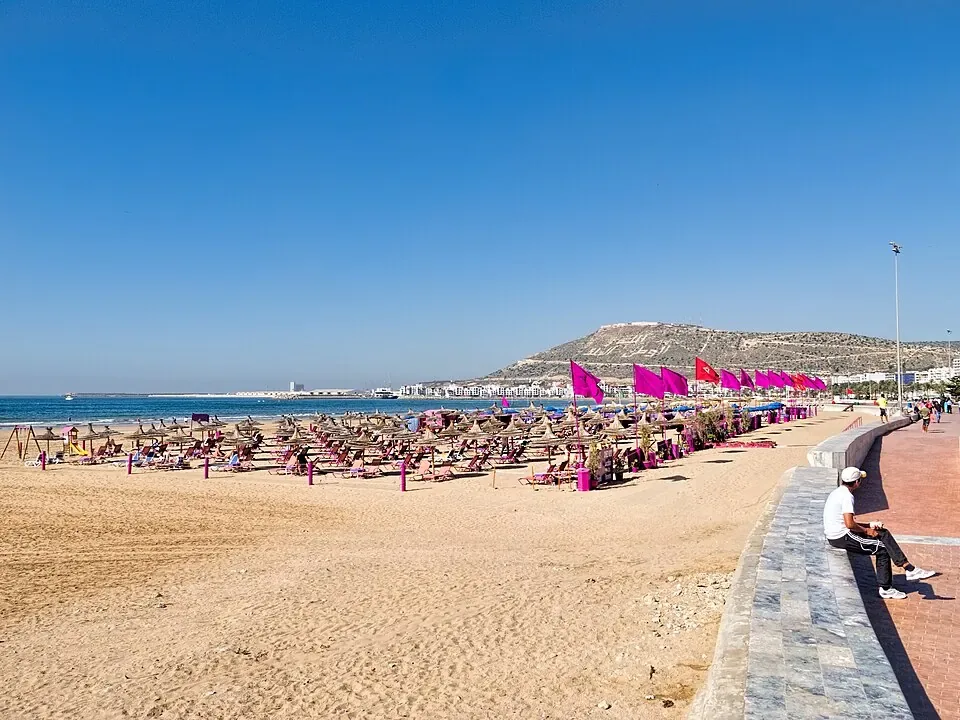
- Agadir beach and seafront promenade with sunbeds and parasols, the Kasbah hill beyond · Dan Lundberg / Wikimedia Commons (CC BY-SA 2.0), resized and converted to WebP. Licence
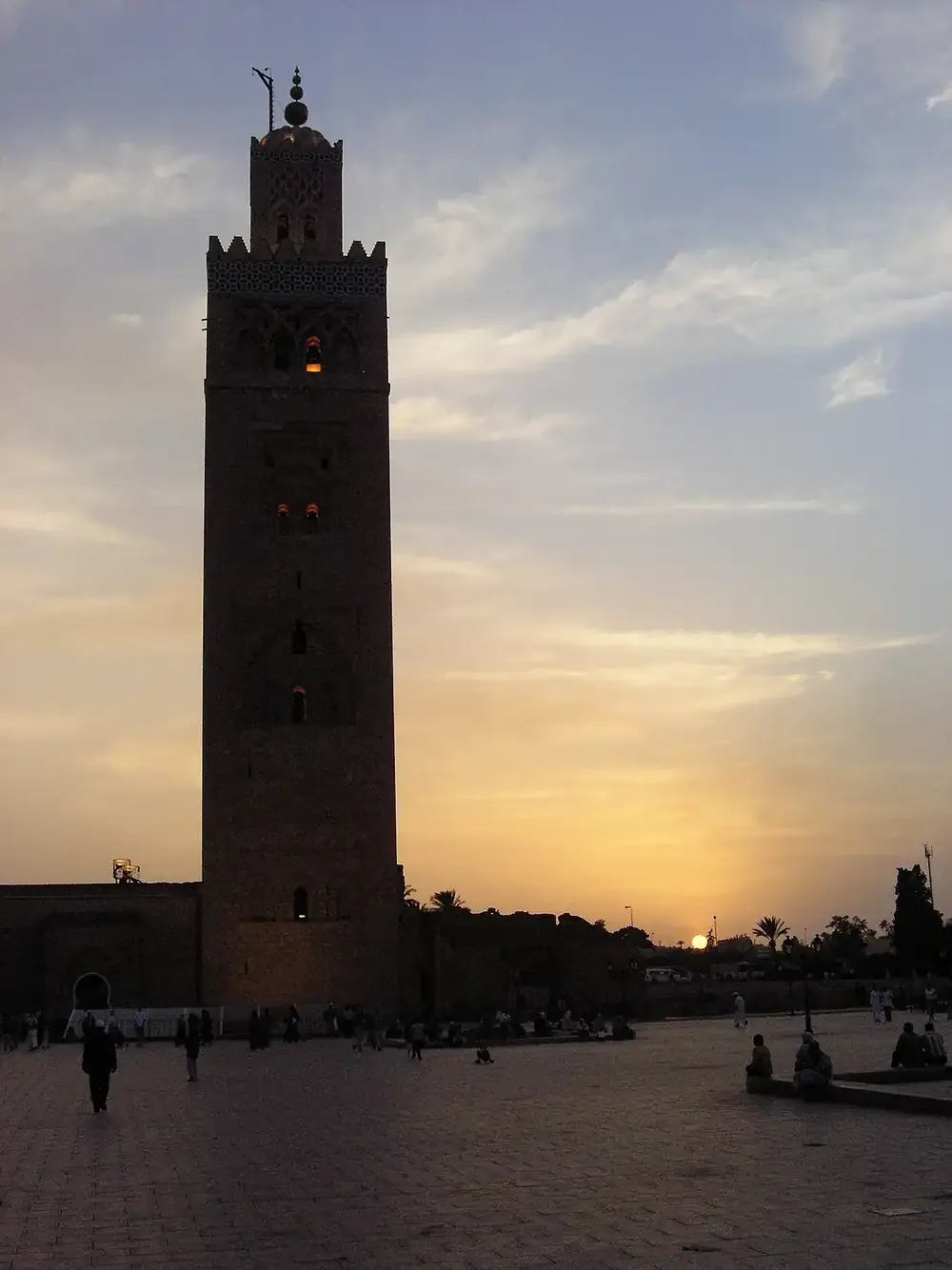
- Koutoubia Mosque minaret and gardens in Marrakech · Reino Baptista / Wikimedia Commons (CC BY-SA 4.0) · resized and converted to WebP. Licence
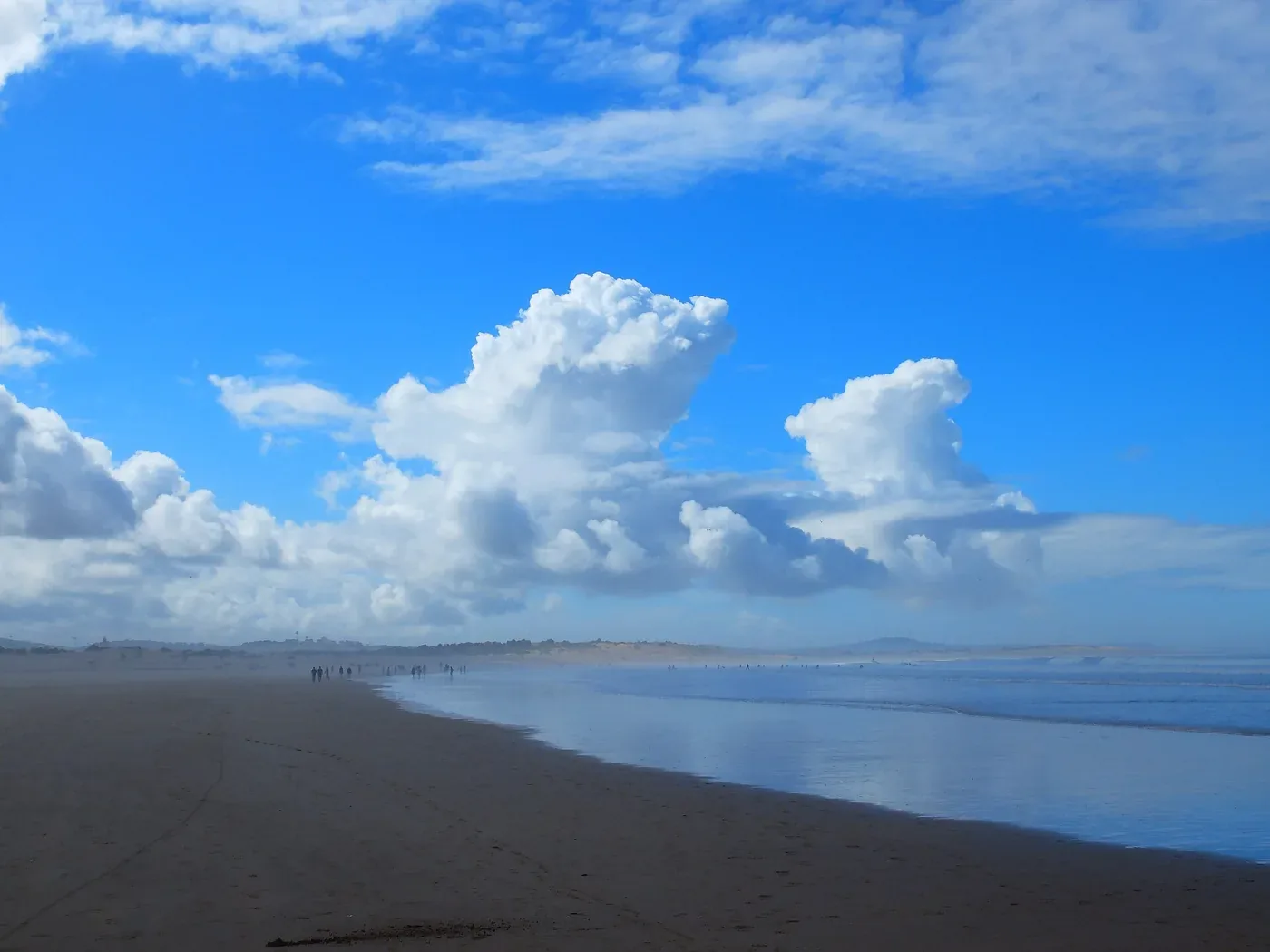
- Wide sandy beach of Essaouira under big clouds, with a few walkers far along the shore · Goldfinchshuffle, CC BY-SA 4.0, via Wikimedia Commons · resized and converted to WebP. Licence
- Hikers near Toubkal in Morocco's Atlas Mountains in spring · NicolasLoeuillet / Wikimedia Commons (CC BY-SA 3.0) · resized and converted to WebP. Licence
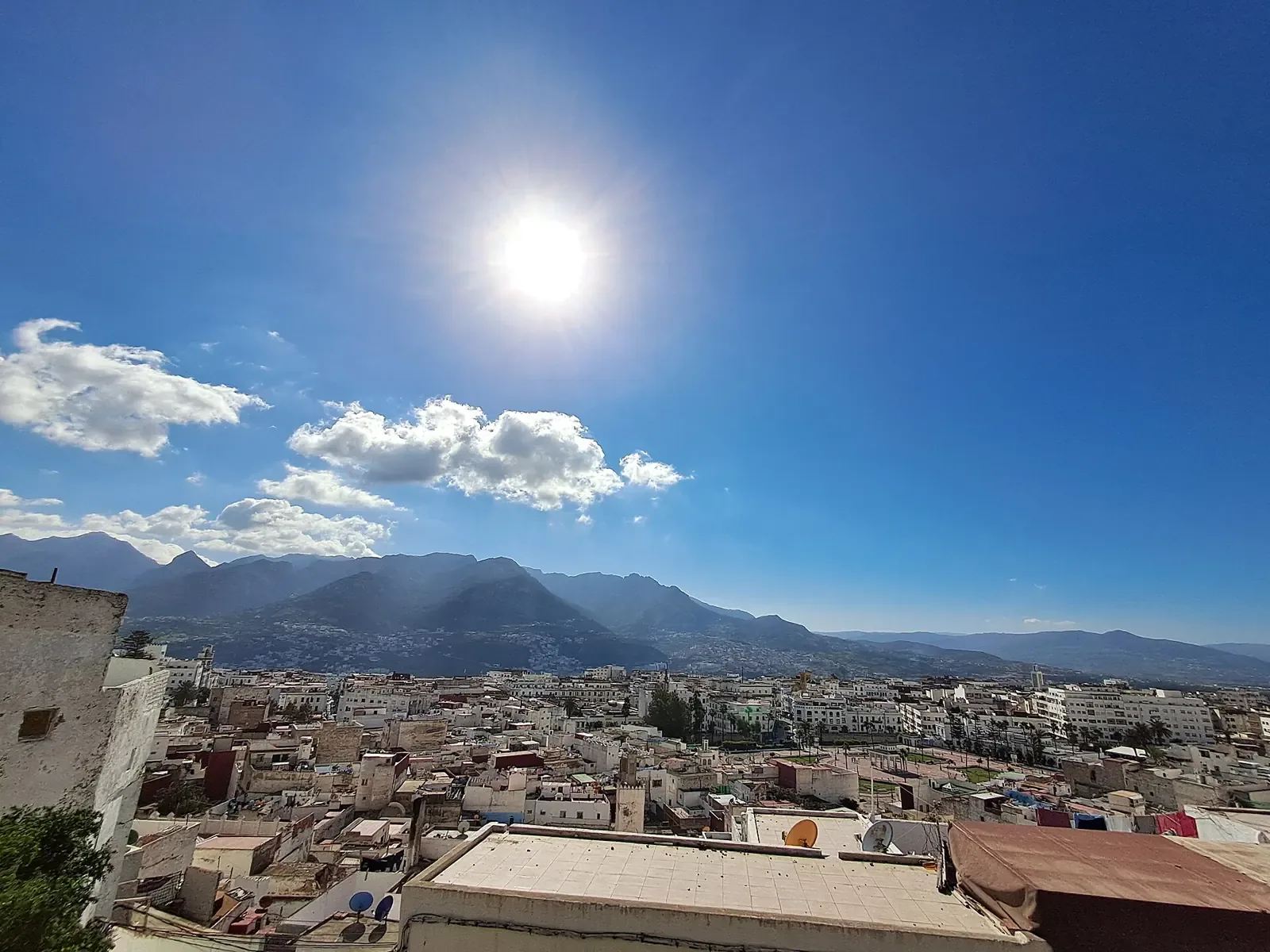
- Rooftops of Tetouan viewed from the old medina, with mountains beyond · Ideophagous, CC BY-SA 4.0, via Wikimedia Commons · resized and converted to WebP. Licence