

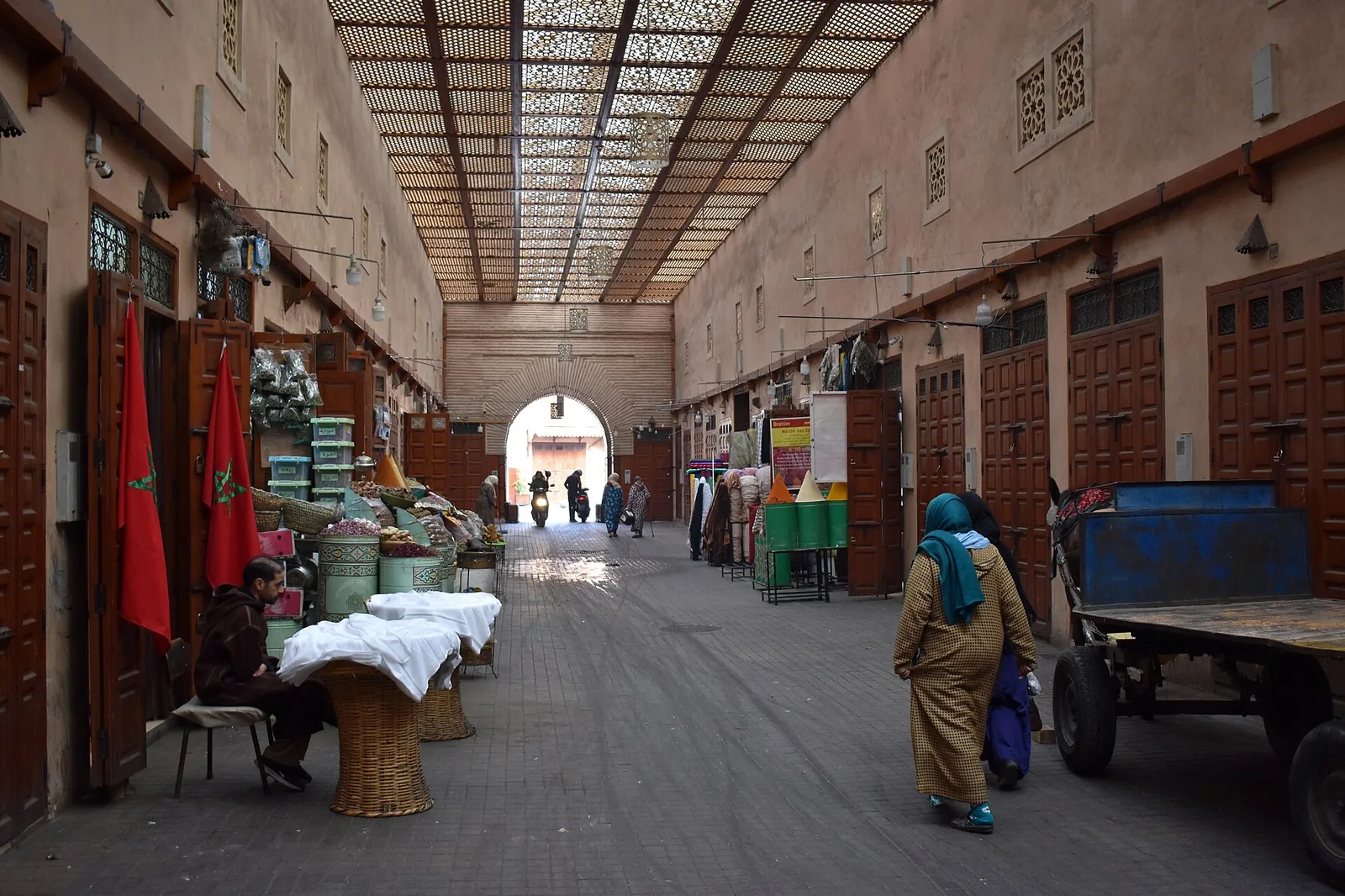
Most visitors walk right past the Mellah without realising what they're missing. Just five minutes south of the Djemaa el-Fna, beyond the bustle of the souks, lies a neighbourhood that tells a completely different story about Morocco — one of thousand-year coexistence, of Jewish merchants and Berber artisans, of synagogues hidden behind unassuming doors and balconies that don't exist anywhere else in the medina.
The Mellah is not a polished tourist attraction. It's alive, layered, and quietly astonishing — if you know where to look. This guide gives you everything: the history, the must-sees, a walking circuit you can do in a morning, and practical advice on where to stay nearby.
⚡ Quick Facts
- Best for: History lovers, architecture, off-the-beaten-track explorers
- Avoid if: You want polished tourist infrastructure or café terraces every 50m
- Time needed: Half a day (2–3 hours walking + 1 hour Synagogue)
- Best time to visit: Morning (8–11am) before heat and tour groups
- Entry fees: Synagogue Salat Al Azama ~30 MAD / Jewish Cemetery free
- Combined with: Palais El Badii + Tombeaux Saadiens (same neighbourhood)
What is the Mellah — and why does it matter?
The word mellah comes from the Arabic for "salt" — some say because the Jewish community was tasked with salting the heads of executed criminals before they were displayed on the city walls. Others say it simply refers to the salty marshland where the quarter was built. Either etymology tells you something about the complicated, precarious position Morocco's Jewish communities occupied for centuries.
Marrakech's Mellah was created in 1557, when Sultan Moulay Abdallah of the Saadian dynasty ordered the city's 30,000 Jews to relocate into a walled quarter at the foot of the Royal Palace. The location was both protection and constraint: close to the palace meant royal protection from mob violence; enclosed walls meant control.
Today the Mellah is almost entirely Muslim. Its last Jewish residents left in the 1960s and 70s, emigrating to Israel, France, and Canada. But the architecture remembers: balconies and windows opening onto the street — radical in a medina where houses turn inward — three remaining synagogues, a Jewish cemetery, and street grids that still follow the 16th-century layout.
It is, in the plainest terms, one of the most historically significant neighbourhoods in North Africa. And it receives a fraction of the visitors of Djemaa el-Fna.
A history in dates: 900+ years of Jewish Marrakech
Expand 900+ years of Mellah history (7 milestones)
Youssef ben Tachfine founds Marrakech and permits Jewish settlement on Almoravid territory. The Toshavim — indigenous Berber Jews — have lived in the Atlas Mountains since antiquity.
Sephardic Jews expelled from Spain (1492) and Portugal (1497) arrive in large numbers. The community becomes deeply cosmopolitan — Berber, Arab, and Iberian Jewish traditions fuse into a distinct Moroccan Jewish culture.
Sultan Moulay Abdallah orders creation of the Mellah at the foot of the Royal Palace. Up to 35 synagogues serve the community at its peak. The quarter becomes a centre of trade, jewellery-making, and money-changing.
Jewish refugees from the Atlas Mountains swarm into Marrakech, making it the largest Jewish community in Morocco. The Mellah becomes overcrowded; living conditions deteriorate.
The creation of the state of Israel triggers a decades-long exodus. Most of Marrakech’s Jews emigrate to Israel, France, and North America. The Mellah gradually empties of its Jewish residents.
The Al Haouz earthquake causes significant structural damage to the Mellah, accelerating the deterioration of already fragile historic buildings.
Three synagogues survive. One (Salat Al Azama) is open to visitors with a small museum. The cemetery at Miaara remains active for Morocco’s tiny remaining Jewish community. Roughly 2,500–3,000 Jews still live in Morocco, mostly in Casablanca.
Map & neighbourhood boundaries
The Mellah sits in the southern medina, directly east of the Royal Palace and adjacent to the Casbah neighbourhood. For orientation:
- North: Place des Ferblantiers marks the gateway from the main medina
- West: The Casbah neighbourhood and Tombeaux Saadiens
- East: The walls of the Royal Palace (Dar el Makhzen — not open to visitors)
- South: The Jewish Cemetery at Miaara
From Djemaa el-Fna: walk south through the Rue de la Kasbah, past the Tombeaux Saadiens turnoff, and turn left at Place des Ferblantiers. Total walking time from the square: 12–15 minutes.
What to see in the Mellah & Casbah
We've combined the Mellah and the adjacent Casbah here — they're a 5-minute walk apart and most visitors explore both in a single morning.
1. Synagogue Salat Al Azama ⭐ Don't miss
At its peak the Mellah had 35 active synagogues. Three survive. Salat Al Azama is the only one open to visitors, and it's worth every dirham of the entrance fee. The interior is beautifully maintained — pale blue walls, polished brass menorahs, embroidered Torah covers — and the small attached museum gives real context to the Jewish Moroccan story. Budget 45–60 minutes here. The caretaker is generally happy to explain the history if you ask.
Practical: Rue Talmud Torah, Mellah. Open Sat–Thu 9am–6pm, closed Friday. Entrance ~30 MAD.
💡 Want context before you go? A Jewish heritage walking tour of the Mellah includes a guide who can unlock parts of the synagogue rarely shown to independent visitors — and translate the Hebrew inscriptions on the cemetery walls.
2. Cimetière Juif de Miaara (Jewish Cemetery)
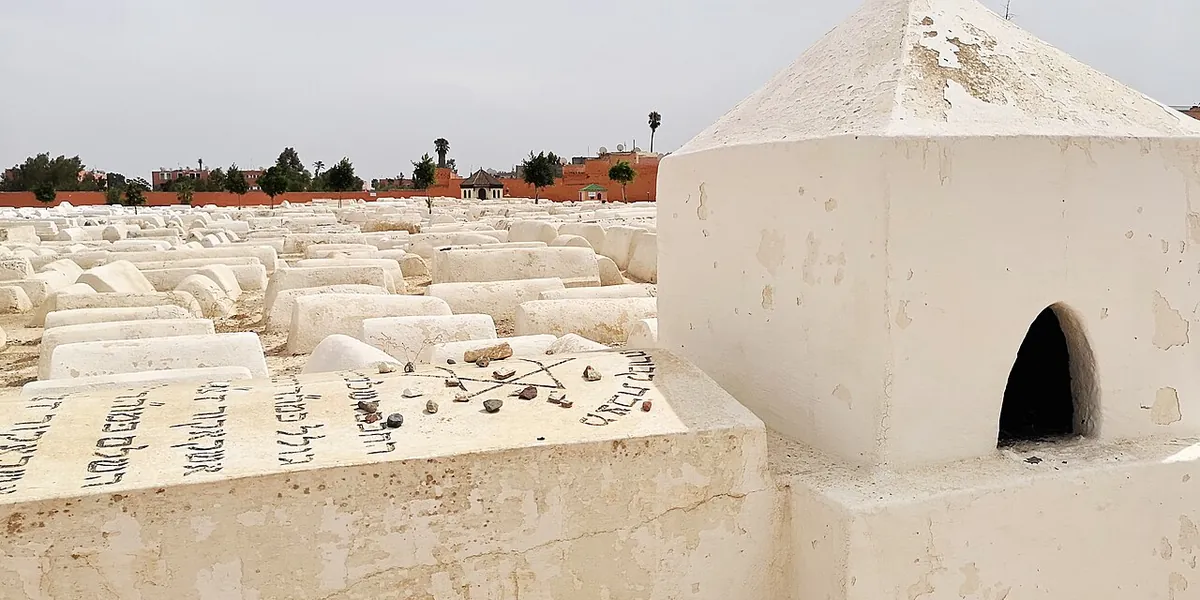
The Miaara cemetery is one of the most visually striking places in Marrakech — and almost no one goes. White-washed tombs on bare earth, stretching further than you expect, the walls of the medina rising on one side. It's an active cemetery (still used by Morocco's Jewish community) so dress respectfully and keep voices low. The oldest sections date to the 17th century. Free entry; a small tip to the guardian is customary.
3. Place des Ferblantiers
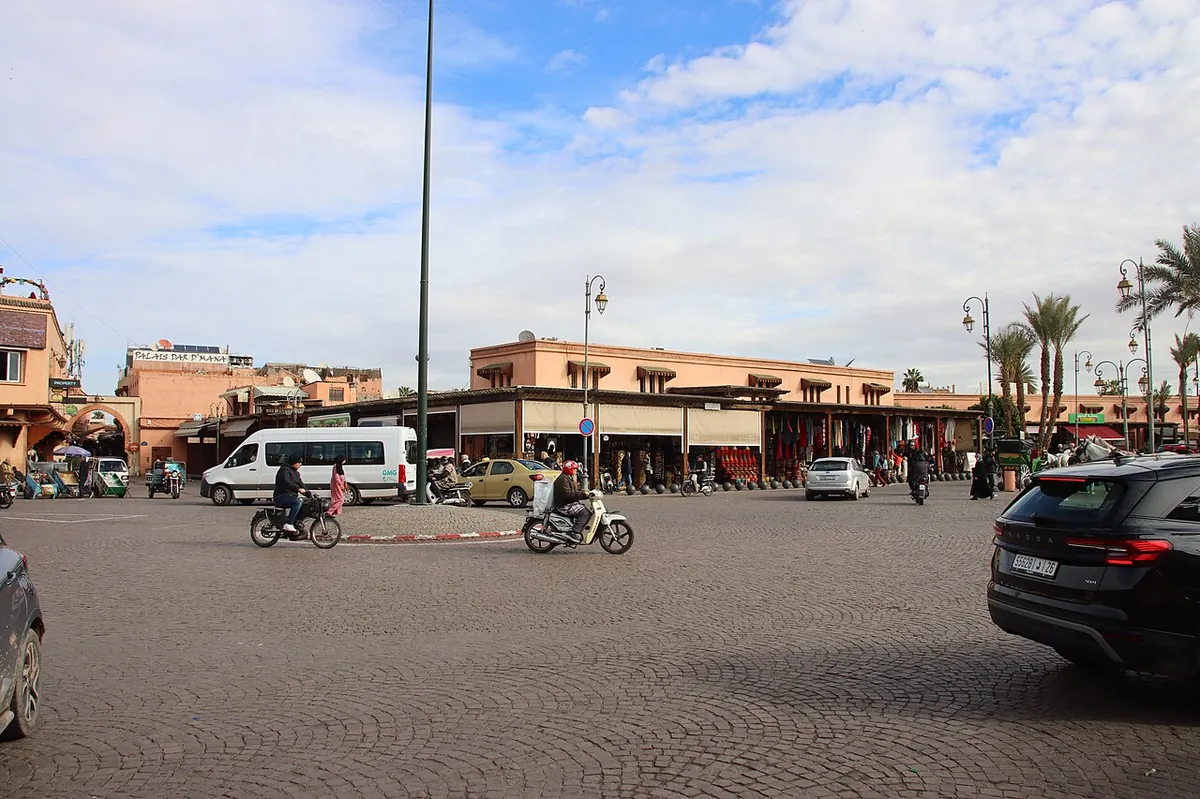
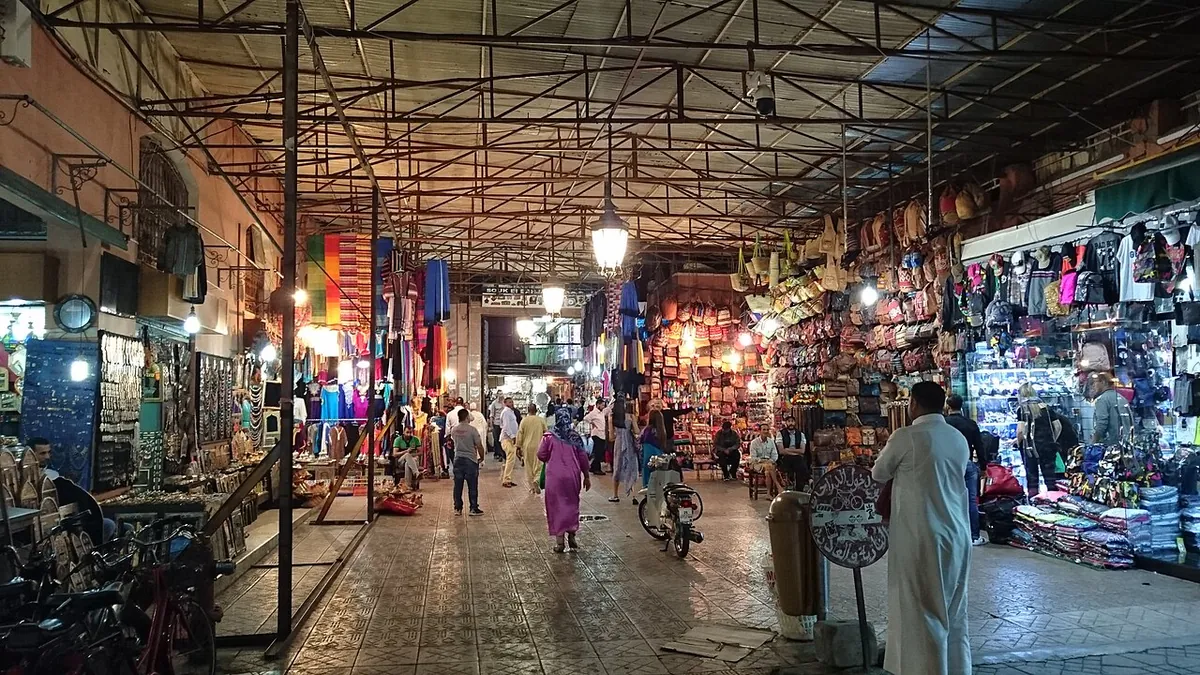
This is where the Mellah begins and the main medina ends. It's one of the few places in Marrakech's old city where you can actually sit on a terrace, order a mint tea, and breathe. The square is named for the tin-workers (ferblantiers) who worked here — you'll still find workshops selling brass lanterns and handmade metalwork around the edges. The souk des herboristes (herbalists' market) spills off to the south: mounds of saffron, dried roses, ras el hanout, black soap. A sensory overload in the best possible way.
4. The Mellah's Balconied Streets
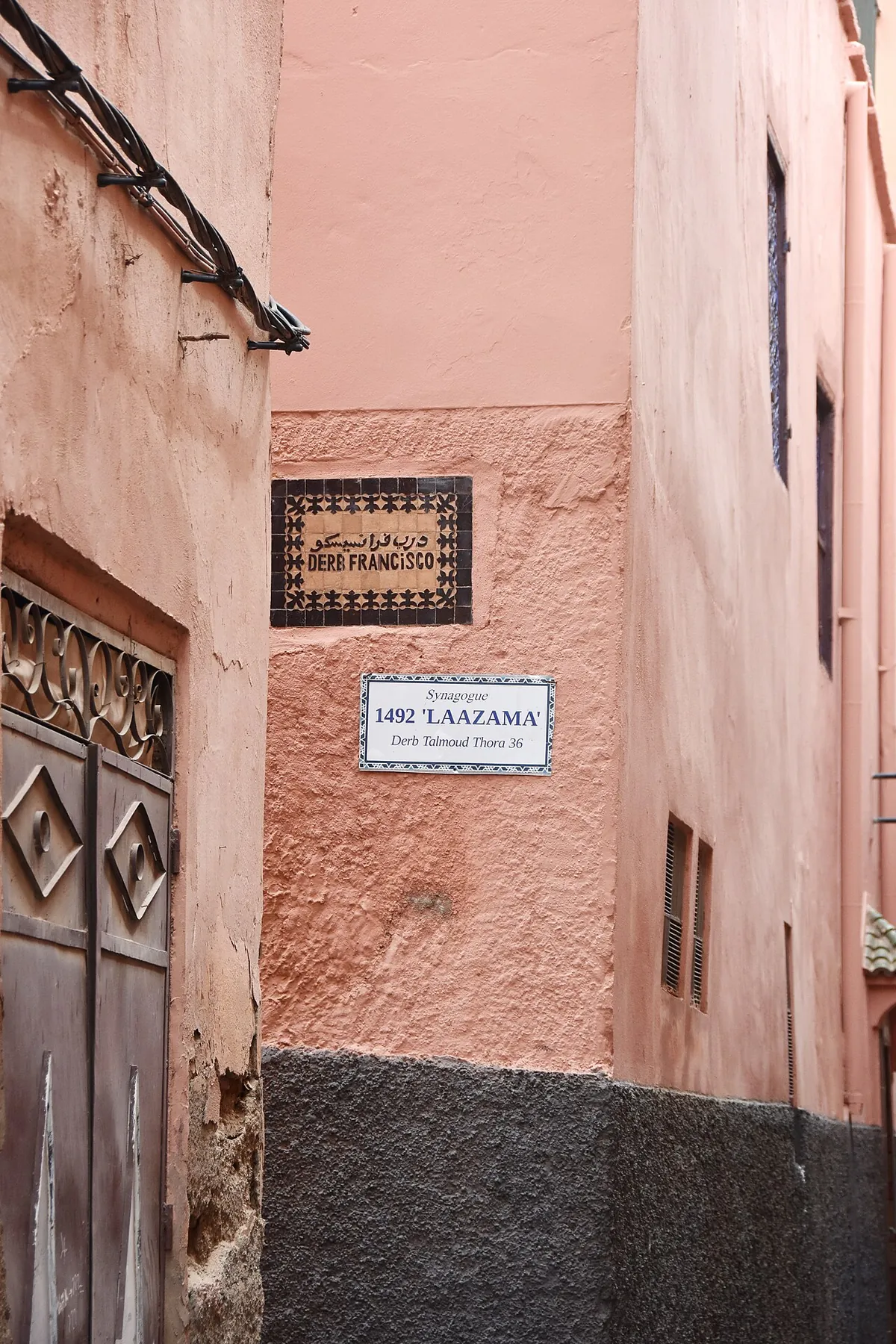
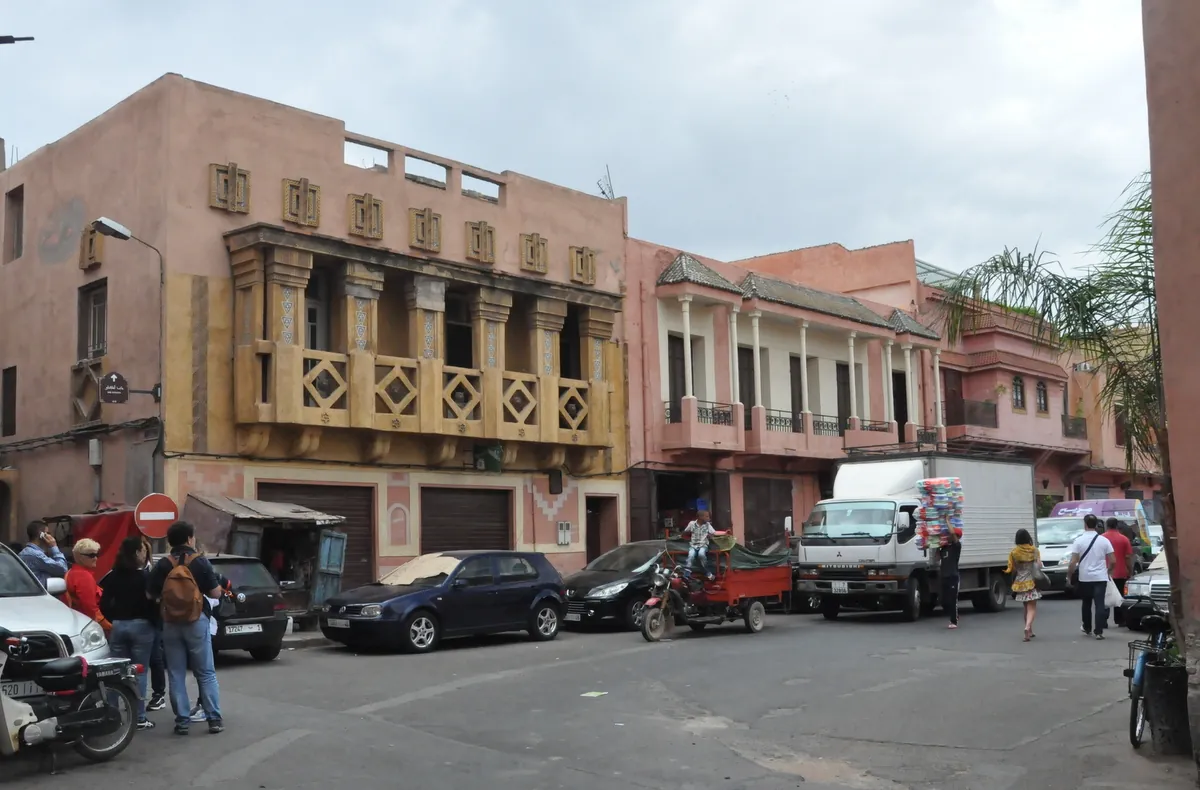
This is what you come for even if you don't realise it. Wander the Rue du Mellah and its side streets and notice what's different: windows and balconies opening onto the street. In the rest of the medina, houses are introverted — blank walls outside, courtyards within. Jewish domestic architecture in the Mellah followed a different model, borrowed from Andalusian and Iberian traditions. Many are crumbling now (especially after the 2023 earthquake), but the ones still standing are extraordinary — carved cedar mashrabiya screens, ornate ironwork, faded tilework above lintels.
5. Palais El Badii (Casbah, adjacent)
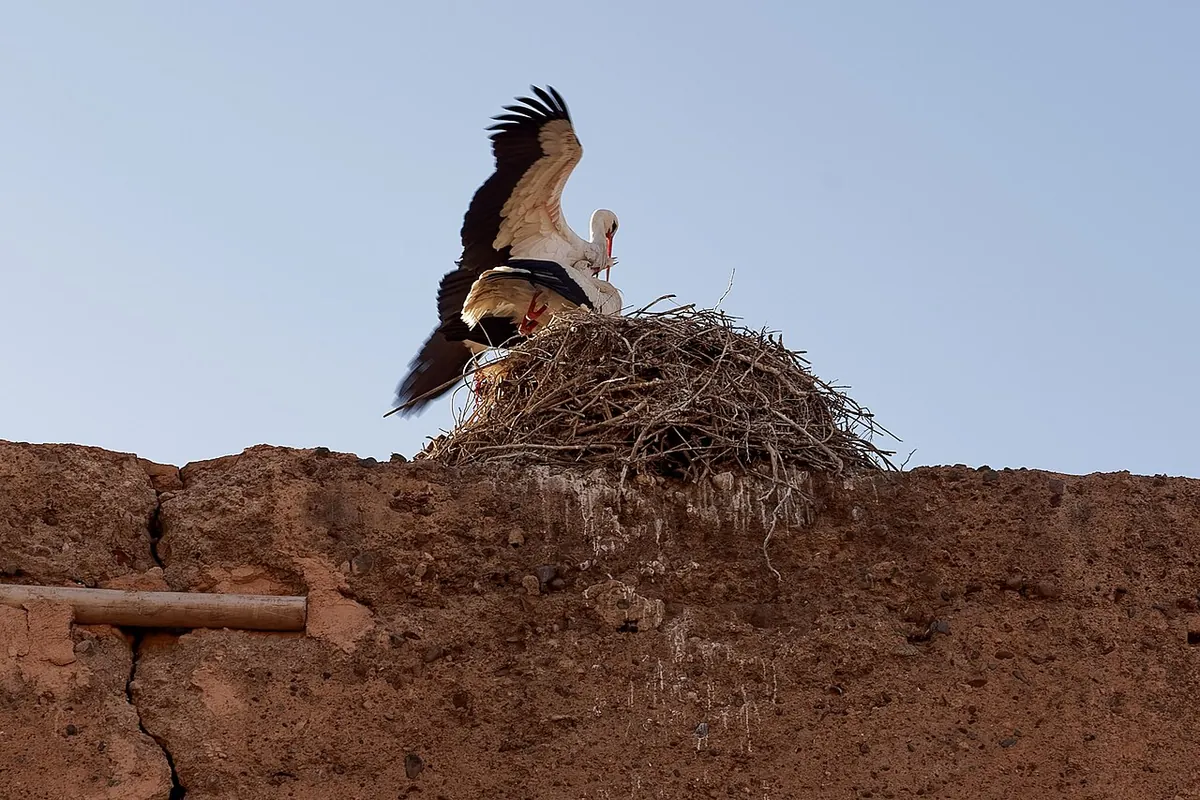
Built by the Saadian sultan Ahmed al-Mansour in 1578 to celebrate his victory over the Portuguese, the El Badii Palace was stripped of its gold, onyx, and Carrara marble by Sultan Moulay Ismail a century later. What remains is a vast ruin — 8-hectare courtyard, sunken gardens, stork-nested towers — that communicates its former magnificence precisely through its emptiness. The small museum inside houses the original minbar (pulpit) from the Koutoubia Mosque. Not unmissable, but rewarding if you're already in the area.
Practical: Place Berrima. Open daily 9am–5pm. Entrance 70 MAD.
6. Musée Monde des Arts de la Parure (MAP)
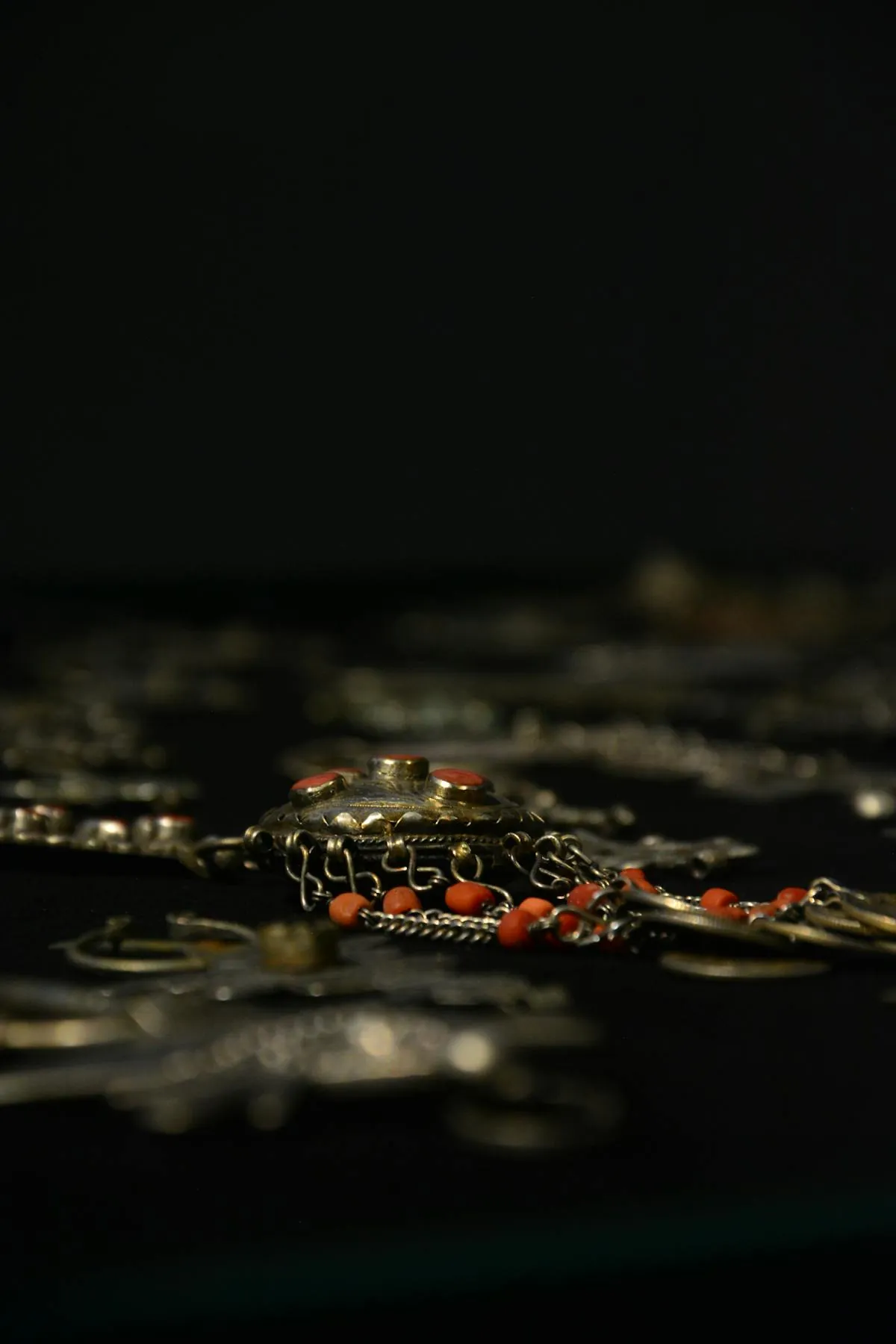
Opened in 2023, this museum houses one of the finest jewellery and adornment collections in Africa — covering Moroccan Berber silver, Ottoman gold work, Indian textiles, Sub-Saharan beadwork. The building itself is as impressive as the collection. This is one of those places that justifies the whole trip to the Mellah area. Go.
Practical: Adjacent to Palais El Badii. Check current hours at the museum website.
7. Tombeaux Saadiens (Casbah, adjacent)
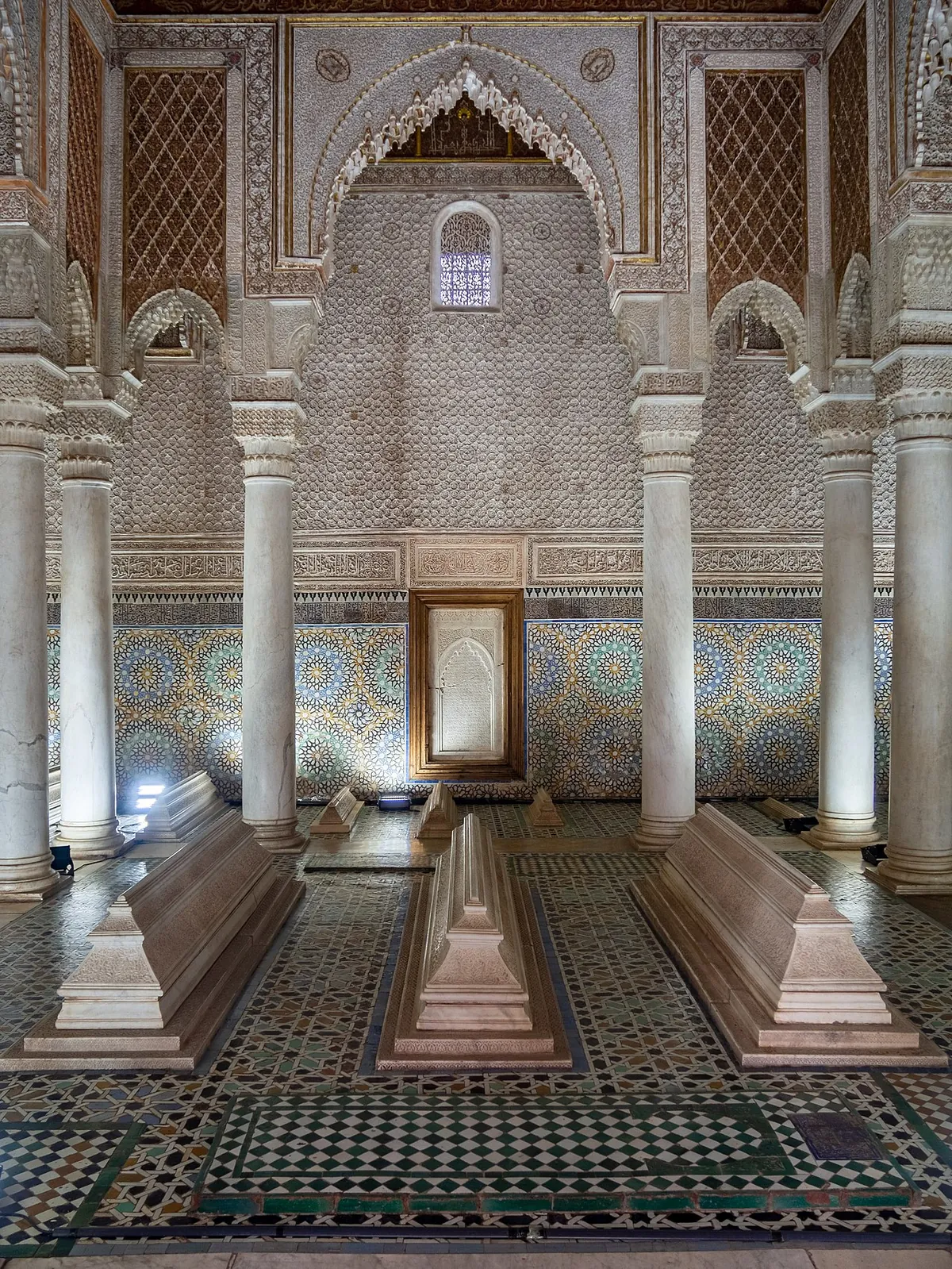
The Saadian tombs are technically in the Casbah not the Mellah, but they're a 5-minute walk and most people combine them. They're Morocco's most polished tourist site in this part of the medina — beautifully restored, reliably crowded. Worth 30 minutes if you haven't been; skippable on a return visit.
Practical: Rue de la Kasbah. Open daily 9am–5pm. Entrance 70 MAD.
Walking routes: 2 circuits
Select a circuit below to see the real street-by-street route traced on the map. Each numbered stop links directly to Google Maps.
If the interactive map does not load, use these Google Maps routes:
Circuit 1 — The Historian’s Morning
STARTPlace des Ferblantiers
Your gateway to the Mellah. Sit at a terrace cafe, order a mint tea and study your map before entering the labyrinth. The square is pedestrianised and calm — a rare thing in the medina.
Rue du Mellah — Balconied Streets
The most distinctive architecture in the medina. Jewish domestic tradition opened houses onto the street with wooden balconies — a radical contrast to the introverted Islamic courtyard houses around them.
Don't missSynagogue Salat Al Azama
The last functioning synagogue of the 35 that once served the Mellah. Blue walls, brass menorahs, embroidered Torah covers — and a small museum that tells the story of Morocco’s Jewish community better than any guidebook.
Cimetière Juif de Miaara
White-washed tombs on bare, sandy earth — the oldest sections date to the 17th century. Still an active cemetery. Dress respectfully, keep voices low, and tip the guardian maintaining this place with care.
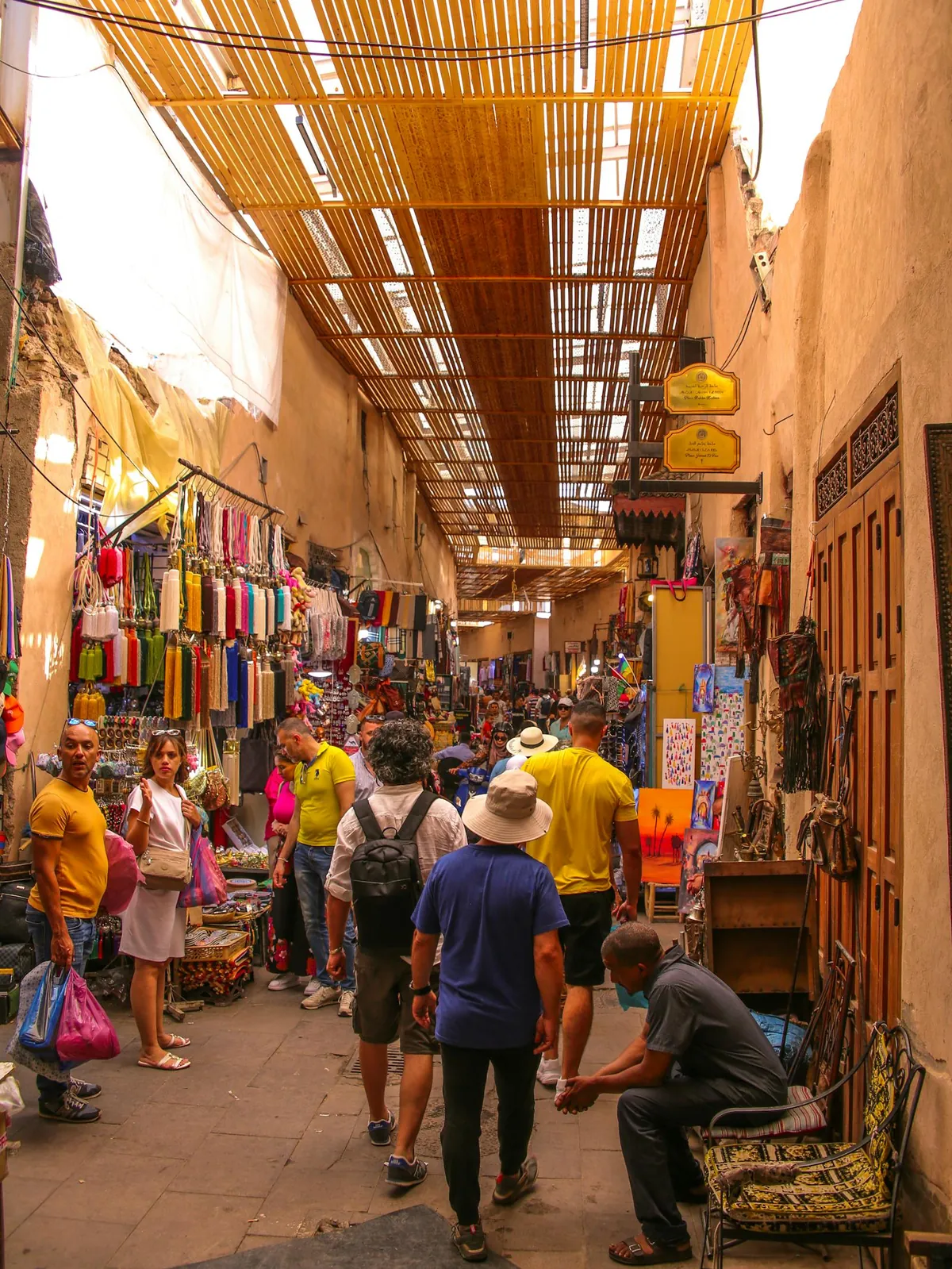
Souk des Herboristes
Mounds of saffron, dried roses, ras el hanout, savon beldi, henna — and sellers who actually know their products. Buy spices here rather than the tourist souks north of Djemaa el-Fna.
ENDPlace des Ferblantiers — Lunch
Return to where you started. Several good cafe-restaurants have terrace seating on or near the square. Order a tagine and a fresh orange juice — you’ve earned it.
Circuit 2 — The Full Southern Medina
 START
STARTMusée MAP — Monde des Arts de la Parure
Opened 2023 and already one of Marrakech’s best museums. Moroccan Berber silver, Ottoman gold work, Sub-Saharan beadwork — the collection is extraordinary and the building equally impressive. Go early before tour groups arrive.
Palais El Badii
Built in 1578, stripped bare a century later. The vast ruined courtyard communicates its lost grandeur through pure emptiness. Storks nest on every tower from February to August. The museum inside holds the original Koutoubia minbar.
Place des Ferblantiers — Coffee Break
Pause here before entering the Mellah. One of the few places in the southern medina with proper terrace seating. Grab a coffee and prepare for the more intimate streets ahead.
Rue du Mellah — Free Exploration
Put the map away. The Mellah is small enough that you won’t get truly lost. Notice the balconies, carved lintels, the occasional Hebrew inscription above a doorway — this is the texture no tour explains.
Don't missSynagogue Salat Al Azama
Of the 35 synagogues that once served the Mellah, three survive — only Salat Al Azama opens to visitors. The attached museum contextualises the entire Jewish Moroccan experience. The caretaker will share stories if you show genuine interest.
Cimetière Juif de Miaara
One of the most visually striking places in Marrakech — and almost entirely unknown to tourists. White tombs, medina walls rising on one side, bare earth underfoot. The oldest sections date to the 17th century.
Souk des Herboristes
Saffron, cinnamon, dried roses, black soap, ras el hanout — all cheaper and more authentic here than anywhere near Djemaa el-Fna. Take your time. Smell everything.
Tombeaux Saadiens
The most visited site in this part of the medina. Beautifully restored 16th-century royal tombs — intricate zellij, carved plaster, cedar ceilings. Go late in your circuit when the morning tour buses have cleared.
 END
ENDDjemaa el-Fna
You’ve done the full southern medina. The square will feel different now — chaotic, loud, wonderful — and you’ll have context for everything around you. Find a rooftop cafe, order a fresh juice, and watch the city.
Practical tips
When to visit
The Mellah is best in the morning (before 11am) when the light is softer and the streets are quiet. Avoid Friday afternoon — many shops close for prayers and the synagogue is shut.
What to wear
The Mellah is an active residential neighbourhood, not a museum. Dress modestly — covered shoulders and knees for all genders. This is especially important at the synagogue and cemetery.
Faux guides
The Mellah is less targeted than the souks north of Djemaa el-Fna, but you will encounter men offering to show you "the real Jewish quarter" or "the best spice shop." A polite but firm la shukran (no thank you) is usually enough. If you want a guide, book one in advance through a licensed operator — it's worth it here for the historical depth.
Photography
Ask before photographing people. The Mellah's residents are used to visitors but not always comfortable being photographed. The architecture — synagogue facades, balconied streets, cemetery — is fair game.
Budget
Synagogue: ~30 MAD. Cemetery: free (tip 20 MAD to guardian). El Badii: 70 MAD. MAP Museum: check website. Total for all attractions: under 200 MAD (~€18 / $20).
Where to stay near the Mellah
The Mellah and Casbah sit in the southern medina — a quieter, more residential area than the frenetic north. Staying nearby means fewer motorbikes past your riad door, and a 5-minute walk to all the sites in this guide.
| Type | Budget (per night) | What to expect | Best for |
|---|---|---|---|
| Budget riads | From ~€35 / 380 MAD | Simple rooms, shared rooftop terrace, basic breakfast | Solo travellers, backpackers |
| Mid-range riads | €70–€130 / 750–1,400 MAD | Private courtyard, pool, included breakfast, attentive service | Couples, first-time visitors |
| Luxury riads | From €150 / 1,600 MAD | Full service, hammam, restaurant, curated decor | Special occasions, design lovers |
🏡 Looking for a riad near the Casbah?
We've curated a full guide to the best riads in Marrakech by neighbourhood — including our top picks for the southern medina near the Mellah and Casbah, with honest reviews of what's worth the price.
Read: Best Riads in Marrakech 2026 →Best guided tours of the Mellah
The Mellah rewards independent exploration, but a guide unlocks doors — literally. Licensed local guides can access parts of the synagogue not open to walk-ins, and can connect you with the last Jewish families still rooted in Marrakech through business or tradition.
Recommended options
- Jewish Heritage Walking Tour — 2.5 hours, includes Synagogue, Cemetery, and a tea stop at a local Mellah family's home. Available in English and French. Check availability & prices →
- Full Southern Medina Tour — Half day, covers Mellah + Casbah + Palais El Badii + Tombeaux Saadiens. Best value for a comprehensive first look. Check availability & prices →
- Private Marrakech Medina Tour — Fully customisable itinerary. Worth the premium for families or anyone who wants to go at their own pace without a group. Check availability & prices →
FAQ — Mellah Marrakech
Is the Mellah safe to visit?
Yes. The Mellah is a quiet residential neighbourhood and generally safe for tourists. You're less likely to encounter aggressive touts here than in the northern souks. As with all of Marrakech's medina, stay aware of your surroundings, keep bags close, and don't flash expensive camera equipment unnecessarily.
Can non-Jews visit the synagogue?
Yes, absolutely. Salat Al Azama synagogue welcomes visitors of all backgrounds. The entrance fee (~30 MAD) goes toward the upkeep of the building. Dress modestly and remove hats before entering the main prayer hall.
Is the Mellah worth visiting if I only have one day in Marrakech?
Honestly, if you only have one day, prioritise the northern medina, souks, and Djemaa el-Fna. The Mellah is exceptional, but it rewards visitors with time to slow down. If you have two or more days, the Mellah + Casbah is the obvious second morning.
How much time should I spend in the Mellah?
A minimum of 2 hours if you're combining it with Casbah highlights. Budget half a day if you want to go deep — synagogue, cemetery, wandering the backstreets, and exploring the Souk des Herboristes.
Are there any Jewish residents still in the Mellah?
Not permanent residents, but Morocco still has an active Jewish community — mostly in Casablanca — and the Mellah remains a place of cultural and religious significance. The Miaara cemetery is still actively used for burials. Some families return for festivals and religious observances at Salat Al Azama.
What happened to the Mellah after the 2023 earthquake?
The Al Haouz earthquake in September 2023 caused structural damage to several buildings in the Mellah, accelerating the deterioration of already fragile historic architecture. Restoration work is ongoing. Some streets may have scaffolding or blocked sections — check local advice before your visit.
What's the best way to get to the Mellah from Djemaa el-Fna?
Walk south through Rue de la Kasbah (follow signs for Tombeaux Saadiens). It takes 12–15 minutes on foot. Taxis won't get you any closer — the medina is pedestrian-only.
What to do next in Marrakech
The Mellah sits within a rich cluster of destinations. After your morning here, here's where to go next:
- 📍 Marrakech Travel Guide — the complete overview, from neighbourhoods to day trips
- 🏡 Best Riads in Marrakech — our top-rated stays near the medina, with honest reviews
- 🛍️ Marrakech Souks Quest — the northern medina markets explained (what to buy, what to avoid, how to bargain)
- 🌿 Jardin Majorelle & Yves Saint Laurent Museum — the city's most photogenic garden, best visited early morning
- 📅 Marrakech in April — what the city is like in spring, with specific tips on the Mellah in warmer weather
Planning your Marrakech trip?
Get our full neighbourhood-by-neighbourhood breakdown, accommodation picks for every budget, and a day-by-day itinerary built around what actually matters.
Start with the Marrakech Travel Guide →